Year Zero
Rebuilding amid the Ruins of a Dead Culture

Paulos MythPilot, Thoughts of a Vitalist Art Movement:
“The Hollywood Ten were communist filmmakers whose work was so good it eventually superseded any systems of censorship designed by Congress to curtail them.
Their secret, as Curtis Yarvin says, is that they were good filmmakers first, and communists second. Which is to say they were ruthless with each other, and competitive, but also bound together as comrades. They refused to accept bad work, and just as importantly, they refused to disengage from their self-imposed community of judgement.
They had thick skins.
Critique was smoothed by bounds of friendship, and to leave in a huff over criticism would constitute betrayal.
It is absolutely necessary that we should form a similar kind of community expressed in all of the forms of a mature movement: publishing houses, salons, concerts, gallery showings, mechanisms of intercourse such as columns and magazines, theaters, and eventually film studios and houses of patronage, the heart of which is cultivation and refinement. In this I must note that the work is already well begun and there are many projects underway already but much more is needed. This is a project for lifetimes.
…
If we are truly successful in our project, it will be for us to displace and decide. The art and literary world to day has all the boredom of death and all the torments of hell. Imagine flat design forever, or Banksy forever, or the intersectional warfare of YA literature forever, or multi-million-dollar auction collector grift forever, or glass architectural cubes in every city forever, or bottomless pits of branching fandom porn collections, each more obscure and disgusting than the last, expanding forever.
Each of these dead little worlds offers only sameness; only reconfigurations of the same types, exhaustively consumed, are to be found here, and every moment they continue our losses compound, for their proliferation erases rich layers of meaning built up over centuries.
We have lost modes of seeing that we cannot even recognize.
…
Now these opinions have receded into a wash of undemanding tolerance which is so accepting of difference that it is incapable of even seeing them. All that is left is a boundless, self-referential morass of mediocrity that must be destroyed at all costs.
…
Before us lies a great opportunity: in the wasteland of meaning, every small act of construction has the potential to become the seed of an understanding that can grow to cover the earth.
In our present age, all universal complexes of meaning have been destroyed; to speak of universals is folly, but specific and local communities of meaning are entirely within reach just as they were when human clans, alone in the wilderness of Mesolithic Europe, first scratched images on the walls of caves and brought their inner worlds to life. Meaning is recovered when we are embedded in proper relation to eternity, to nature, and to each other. Therefore our project is one of formation and expansion: firstly the construction of meaning, the cultivation of community, and subsequently its growth and extension. We make concrete claims on the world, we bring up children, we call new people to our banner, we seek ownership over space.
Ours is not simply a movement of the mind: we are engaged in a great crusade to re-enchant the world.”
—Paulos MythPilot, Thoughts of a Vitalist Art Movement
Myth Pilot in The Asylum III - by Paulos - Myth Pilot
Alaric, For a Counter-Revolutionary History:
“For 40 years, American education and media has been dominated by systematic propaganda designed to undermine the story of America in the national collective consciousness — to “rebrand” the story of the country’s founding and our 247 years of history as a story of villainry, oppression, and crime. As a result, young people today see America as defined by the genocide of Indians, enslavement of Africans, and fundamentally characterized by racism.
No single book has been more influential in promoting this vision than Howard Zinn’s bestselling work A People’s History of the United States. First published in 1980, by 2022 the book had sold two million copies, and become a mainstay of the progressive worldview. Many of the talking points insistently repeated by progressive activists, and indeed, mainstream liberals, originate in Zinn.
…
Zinn’s work is best-known for its beginning: a diatribe against Christopher Columbus. Although Columbus himself never set foot on the continental United States, the story of his daring voyage of discovery served as a load-bearing column in the collective understanding of the foundation of America. So Zinn aimed to destroy his legacy to discredit America as a whole. In the first chapter of A People’s History, Columbus is presented as a gold-crazed psychopath who raped, pillaged, and murdered the peaceful and egalitarian Arawak natives of Hispaniola on an almost incomprehensible scale.
When Zinn’s book was first published, this account represented a total inversion of the Columbus story, leaving readers stunned and generating considerable controversy. And yet this controversy served only to further popularize the book under the sign of imagined repression.
Zinn’s attack on Columbus was one of the first major offensives by leftist historians against the American collective consciousness, and despite some half-hearted pushback, it was wildly successful.
…
Zinn performed the same operation on American history; in the decades since his book was published similar efforts have targeted the Founding Fathers, pioneers, Presidents, and other symbolically important figures. Each time, the nation itself is called into question, and its moral foundations undermined.
…
Demoralize a man for decades, and no factual argument will change his self-perception; even when facts are accepted in theory, the frame remains negative and reasserts itself instantly once the “civil debate” ends.
…
What is actually needed in fact is not a defense of America, but a counteroffensive against the version of America produced by the Left. After forty years of iconoclasm, the story of our historical origins requires complete reconstruction. Just as Zinn undermined American history by striking at its roots, we must reclaim the mythical, propaganda value of America’s origins. Similarly, a new view of American history must begin by reframing the story of the European explorers of the 15th and 16th centuries.
Instead of “reasoned debate” from within the leftist worldview, an entirely different approach to historiography is required — one that interprets the world through a Classical lens… If revisionist historical discourse aims to humiliate, we should use history to celebrate and uplift.
…
Leftist historiography seeks to generate guilt by presenting a model based entirely on negativity and degradation… It is time to be unapologetic about our history and create something more compelling.”
—Alaric, For a Counter-Revolutionary History
For a Counter-Revolutionary History — @im_1776
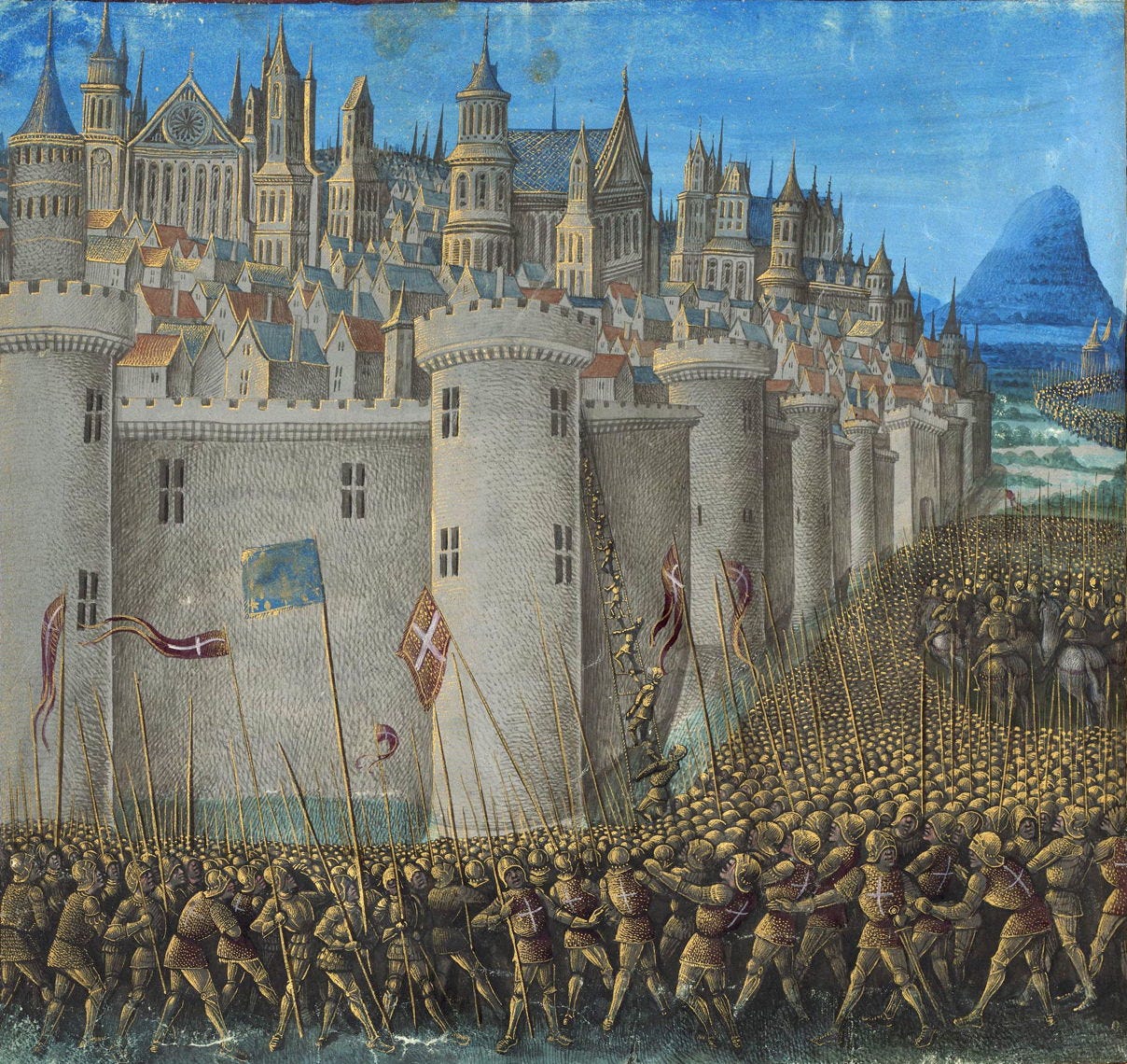
I: Rediscovery
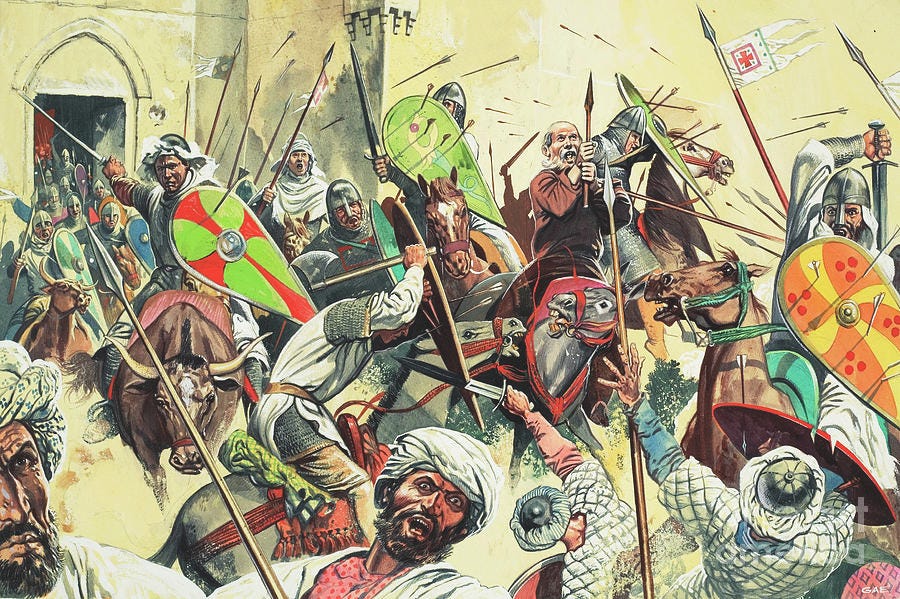
The other day, I was reading about the Battle of Vienna (1683), where European armies defeated a Muslim invasion and permanently broke the power of the Ottoman Empire for the next several hundred years.
The event by itself was fascinating — there are all these little historical insights related to any big event with an ensemble of dozens of key figures, and tens of thousands of soldiers involved on both sides. Two of the mistakes committed by the invading Muslim army were particularly notable. One was that the Ottoman Empire announced their invasion fifteen months in advance, in order to prepare their own forces to attack. This gave Christian Europe fifteen months to form alliances, train soldiers, conscript troops, fortify their cities, and sign mutual defense pacts (between Poland, Lithuania, and the Holy Roman Empire) so that any nation invaded by the Muslims would be immediately reinforced by neighboring Christian nations. What the Ottoman Empire should’ve done was to instead keep the invasion a secret among a small number of government figures, and instead announce that their army would be gathered for a series of routine military exercises, in order to retain the advantage of surprise (and to give themselves the option of cancelling the invasion into Europe, if their spies and scouts reported that the European militaries were prepared).
The other mistake was stereotypical Muslim cruelty — before besieging Vienna, the Muslim army had promised the small town of Perchtoldsdorf (located roughly ten miles south of Vienna) that the town’s inhabitants would be spared if they surrendered. When the outnumbered defenders of Perchtoldsdorf surrendered to the invading Muslim army of perhaps 150,000 soldiers (historians always second-guess these numbers), the Muslim army reneged on their promise: the town’s men were brutally slaughtered, the women were gang-raped, and the surviving women and children were sold into slavery.
Perchtoldsdorf was a small, relatively irrelevant town which would’ve been easy to conquer, and the correct decision by the Ottoman Empire would’ve been to treat their captives fairly.
As a result of the Perchtoldsdorf massacre, the defenders of Vienna knew that even if they wanted to surrender, their only recourse was to fight to the death. The stupid and self-sabotaging massacre and gang-rape of a small town stiffened the resolve of the fortress at Vienna. The siege was much more difficult than it needed to be for the Ottoman Empire, and caused the fighting to drag on for long enough that eventually a Christian army arrived to relieve the siege and break the Muslim invasion in the field.
The more I read about this historical battle, the more I realized the Battle of Vienna (1683) was one of the main historical inspirations for Tolkien’s depiction of the Battle of Helm’s Deep. There were numerous parallels between the Muslim invasion into Europe, and the Uruk-Hai invasion into Rohan — the religious awe of being saved by a glorious cavalry charge downhill, a tiny force besieged by a terrifying horde (20,000 defenders at Vienna besieged by 150,000 Ottoman soldiers), explosive charges planted underneath the city in order to fracture the fortified walls. The religious iconography of outnumbered, heroic Christian soldiers defeating a barbaric horde of Muslim invaders who intended to conquer and exterminate the entirety of Europe provides an unmistakable parallel to the outnumbered, heroic riders of Rohan defeating Saruman’s barbaric horde of Uruk-Hai.
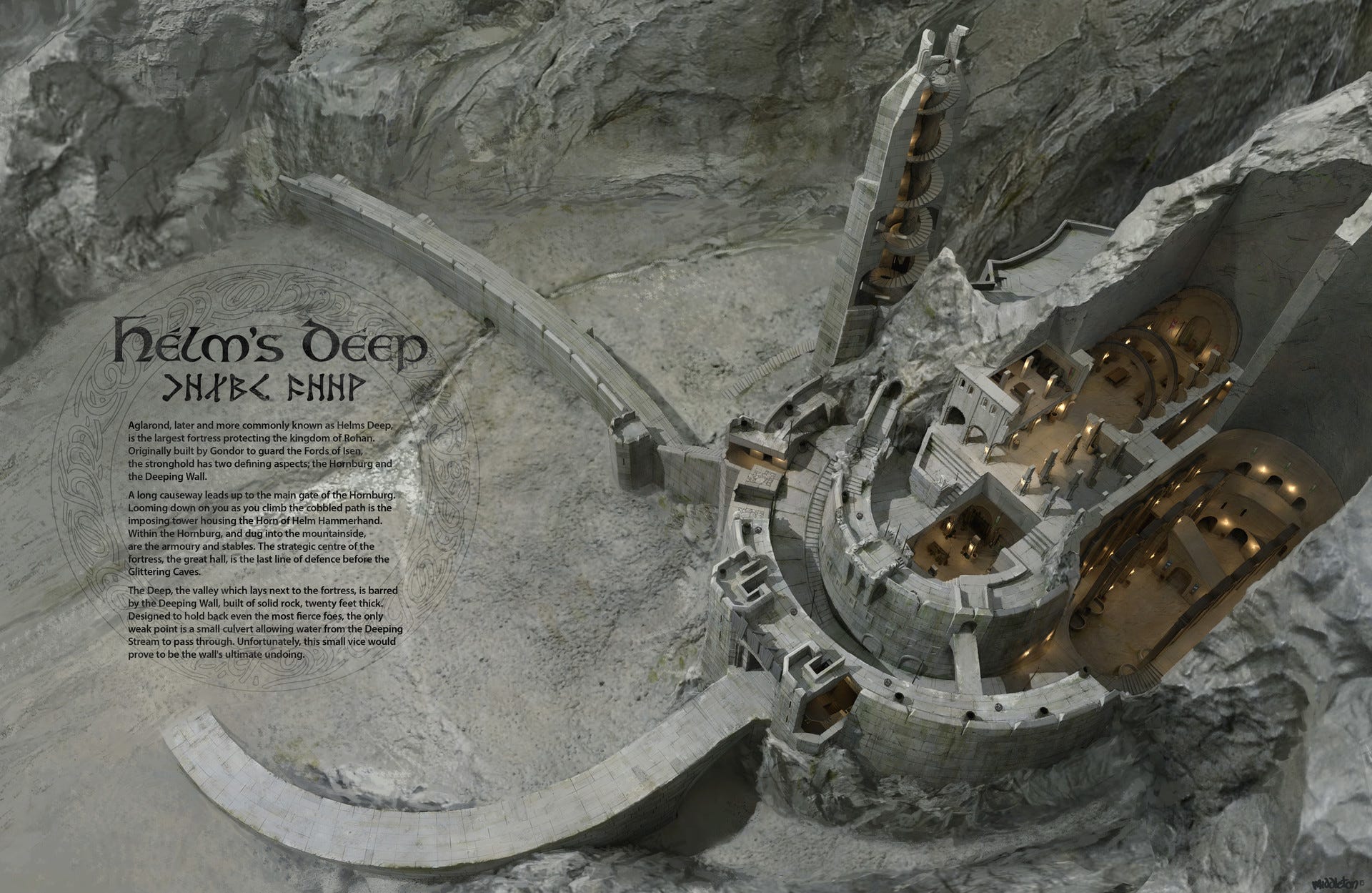
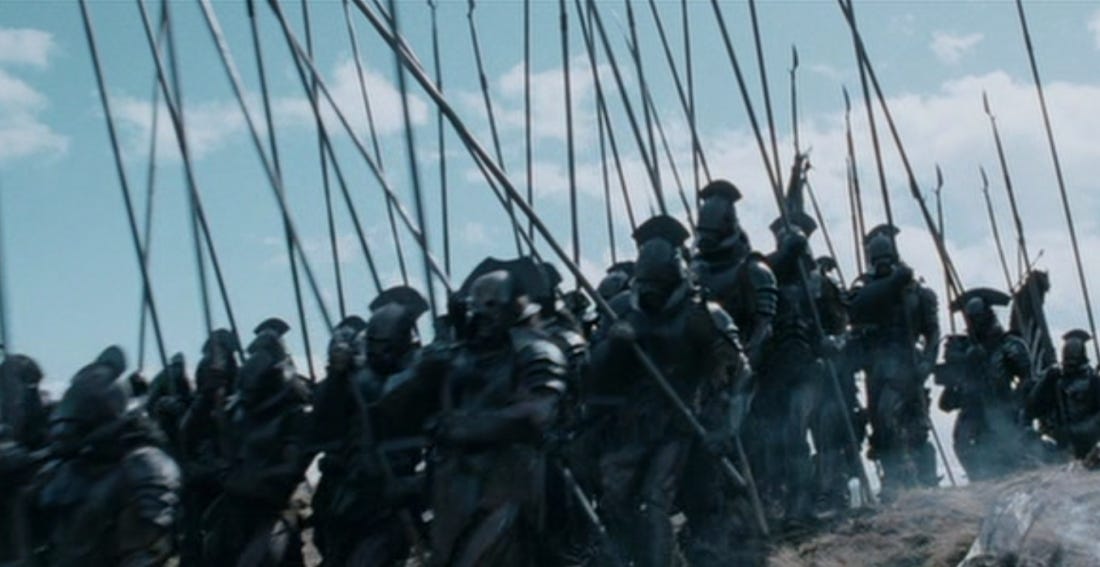
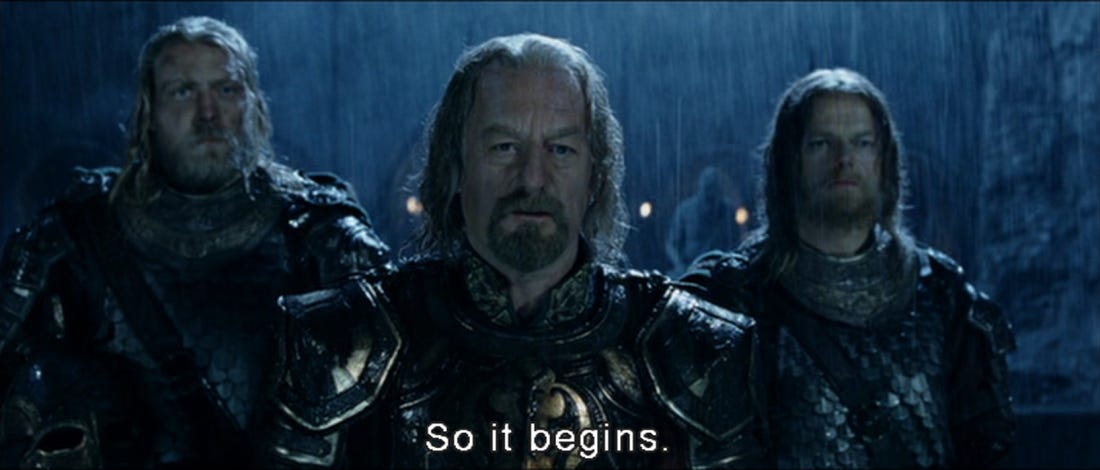
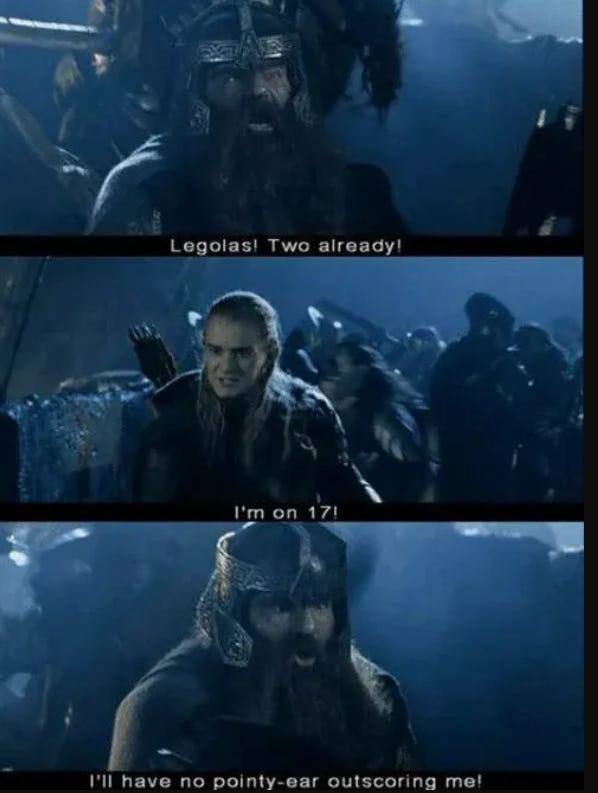
But my immediate reaction to this realization was annoyance — this is an extremely famous historical event. Or at least, it used to be. There was a time, not so long ago, when references to the Battle of Vienna (1683) were considered foundational to Western Christian culture, contributing to a shared tradition which everyone knew as a mainstream reference. These events were produced by the centuries of warfare that defined the identity and worldview of Christian Europe.
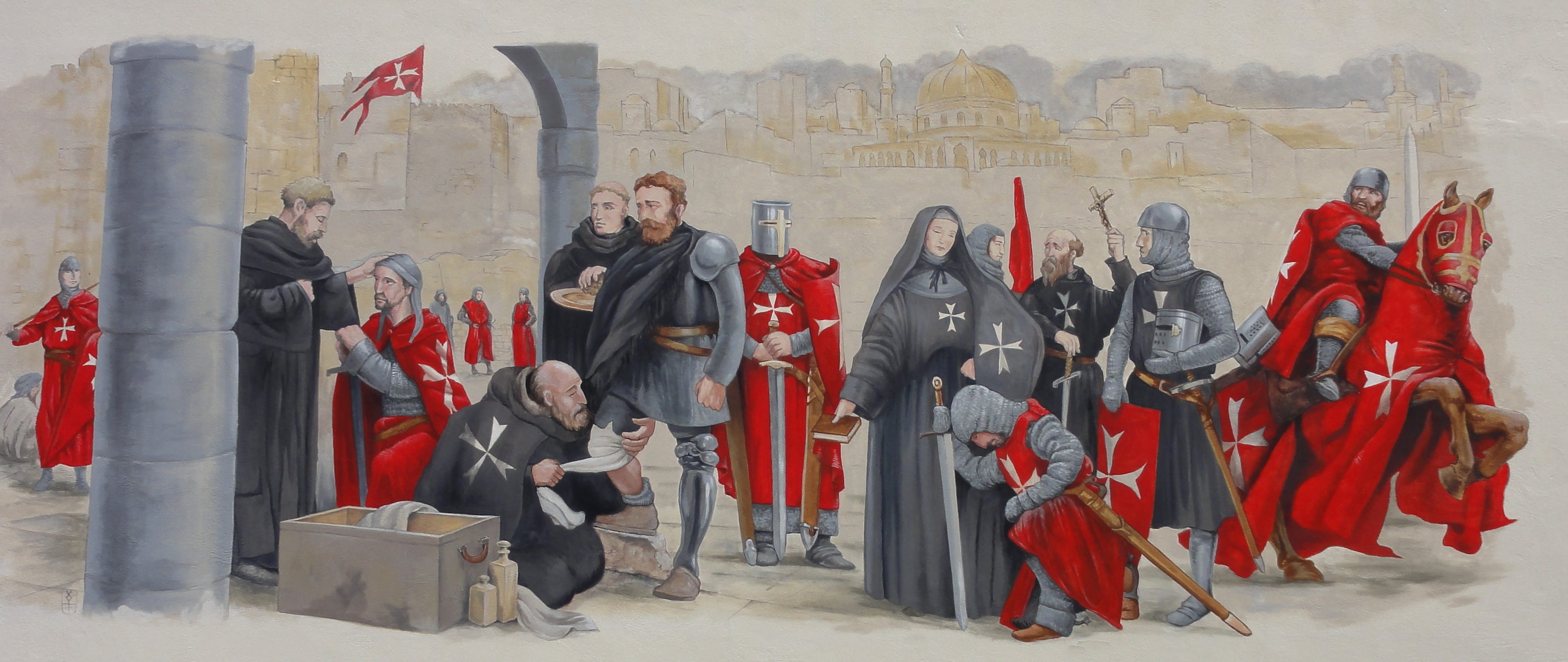
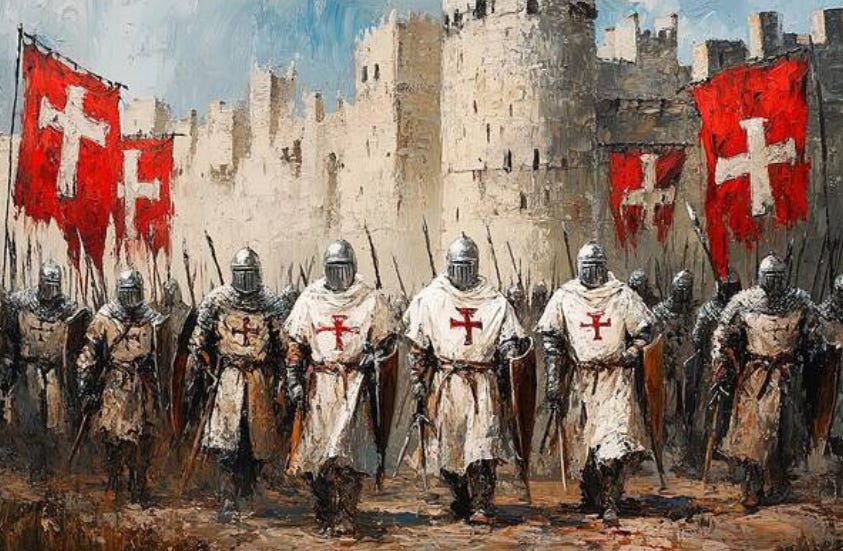
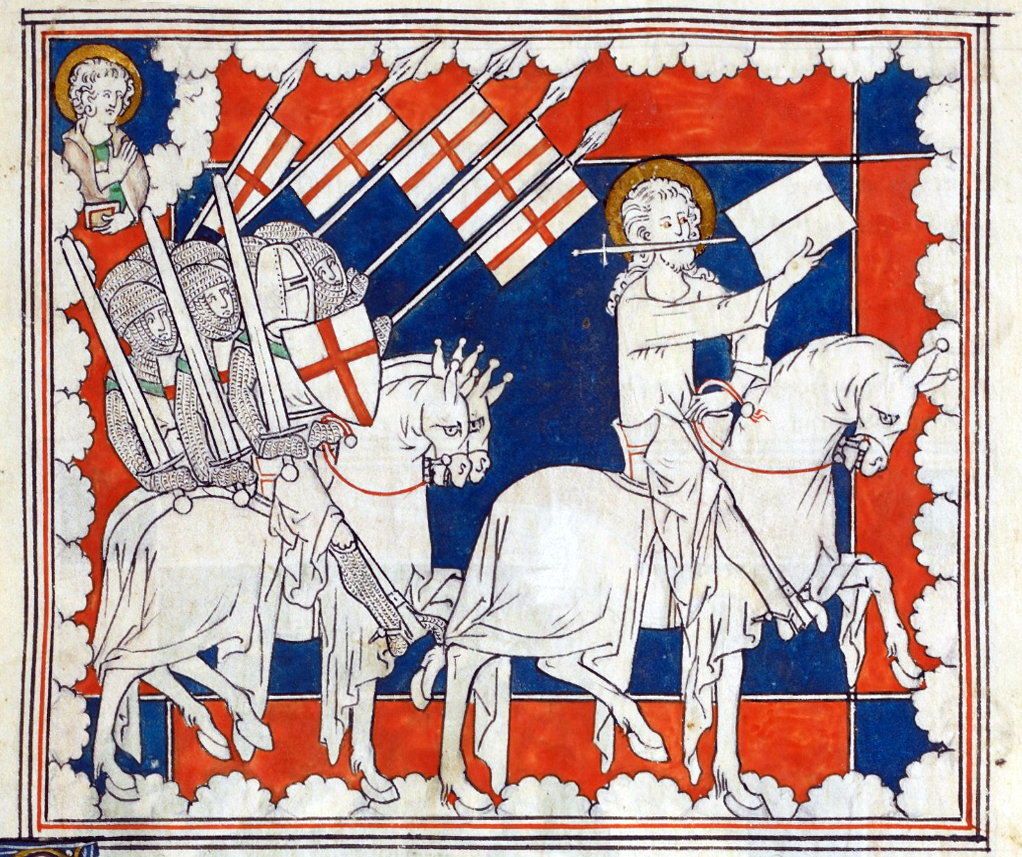
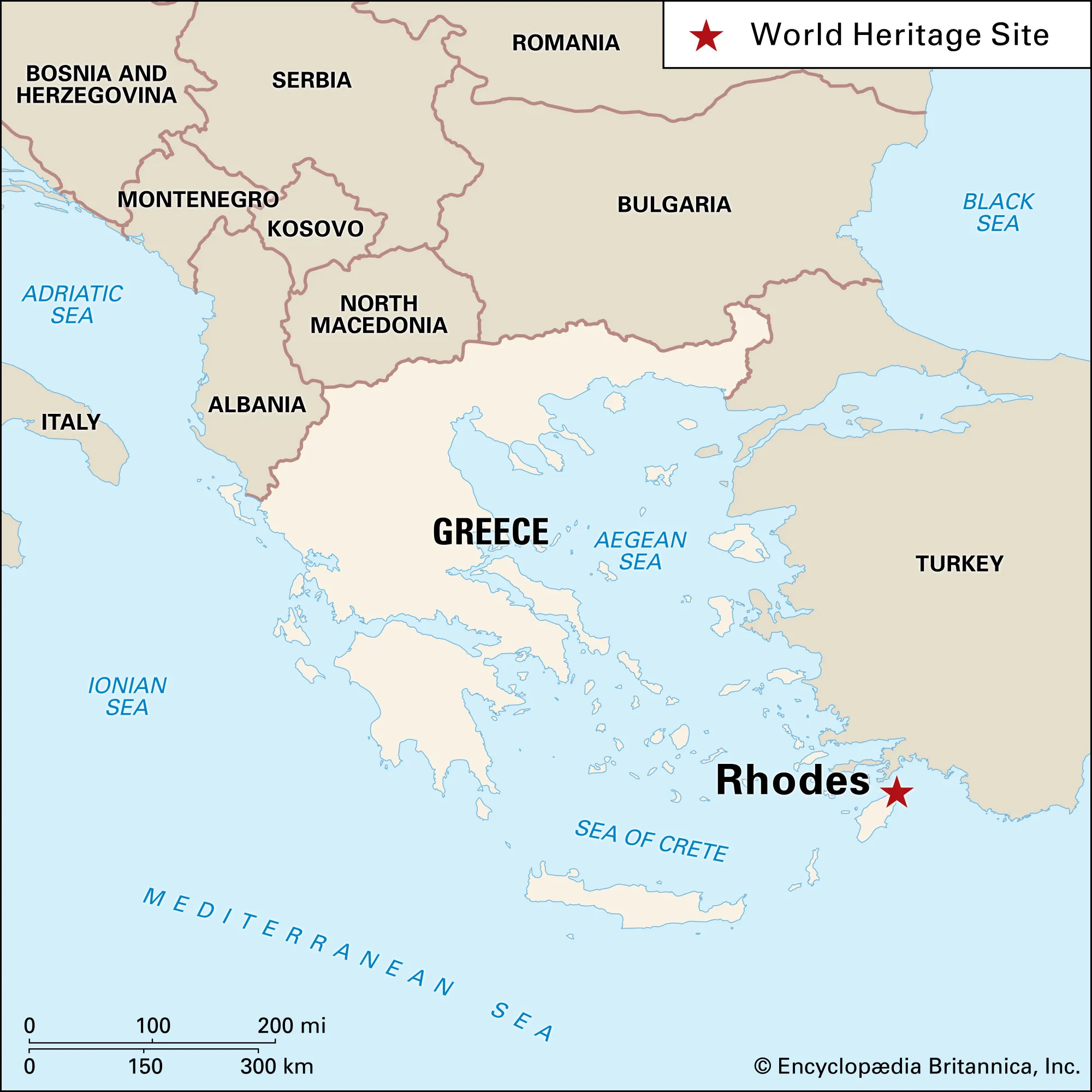
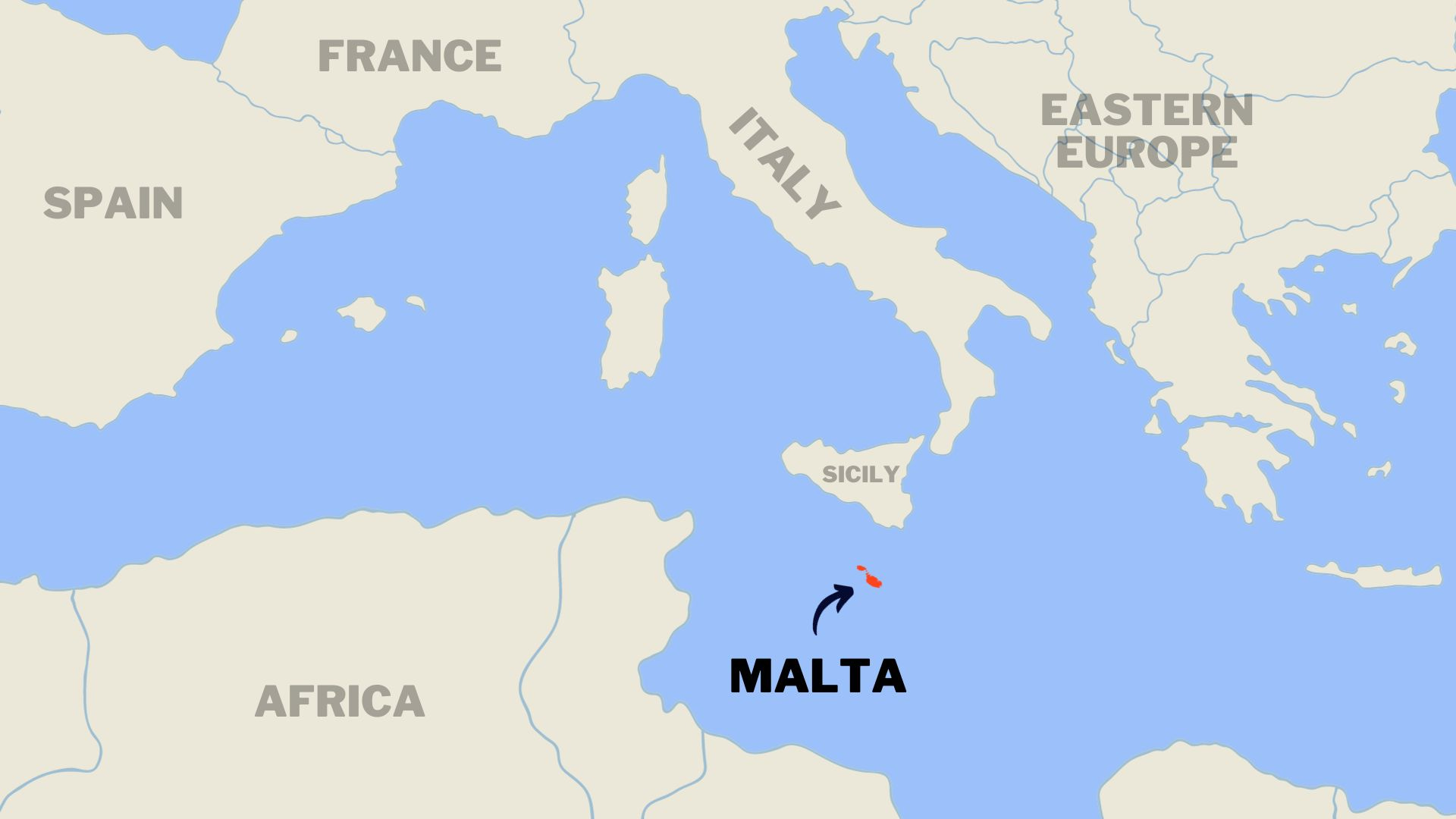
The major Christian victories against Islam in defense of Europe should be common knowledge: the Siege of Constantinople (717 AD), Battle of Covadonga (722 AD), Battle of Tours (732 AD), Battle of Las Navas de Tolosa (1212 AD), first Ottoman Siege of Rhodes (1480 AD), Battle of Malta (1565 AD), Battle of Lepanto (1571 AD), the raid on La Goulette (1612 AD), and the Battle of Cape Gelidonya (1616 AD).
There was a time when Voltaire said, “Nothing is better known than the Siege of Malta.” It was the most famous event in the history of Europe, because it represented the salvation of Western Christendom and the heroism of Europe’s best knights. But if you talk to a random man on the street today, he wouldn’t know anything about it.
One of the things to understand about the Crusaders is that many of the knightly orders operated as branches of European governments. Kings were patrons who often financed these military orders. Excess, dangerous men were funneled into monastic military orders, which took on vows of poverty, obedience, and chastity (this is the origin of Jedi Knights swearing oaths of celibacy in the Star Wars movies, which fuels the internally-conflicted romance between Padme and Anakin Skywalker, a sort of classic doomed romance in the style of Lancelot and Guinevere, stemming from the French chivalric tales that pit romantic desire against a warrior’s duty).
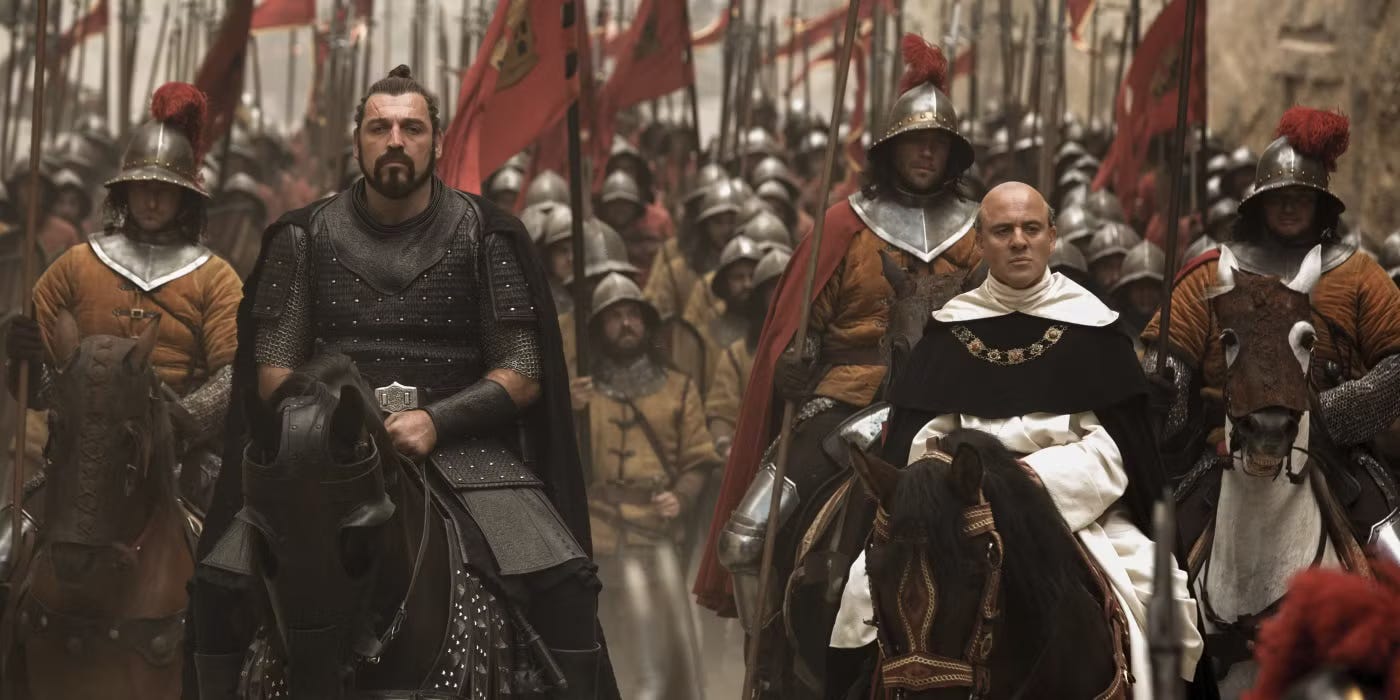
All of these battles mentioned above, especially the Battle of Malta (1565), would make for excellent $100 million Hollywood blockbusters as historical epics. The siege of Malta is every bit as important, dramatic, cinematic, and thematically profound as Frank Miller’s 300 (2006), which grossed $456 million.
If someone was writing the Battle of Malta as a screenplay, one of the best ways to start would be to feature an opening scene showing the Ottoman victory at the Siege of Rhodes (1522), where the Muslims suffered 10:1 casualties, but the Knights Hospitaller were defeated, and the Knights Hospitaller were driven back to the island of Malta — where it seemed that their order would be destroyed, preparing the way for another series of Muslim invasions to ransack Europe.
It’s incredibly engrossing, meaningful, and spiritually resonant.

II: Erasure
These events have been intentionally obscured.
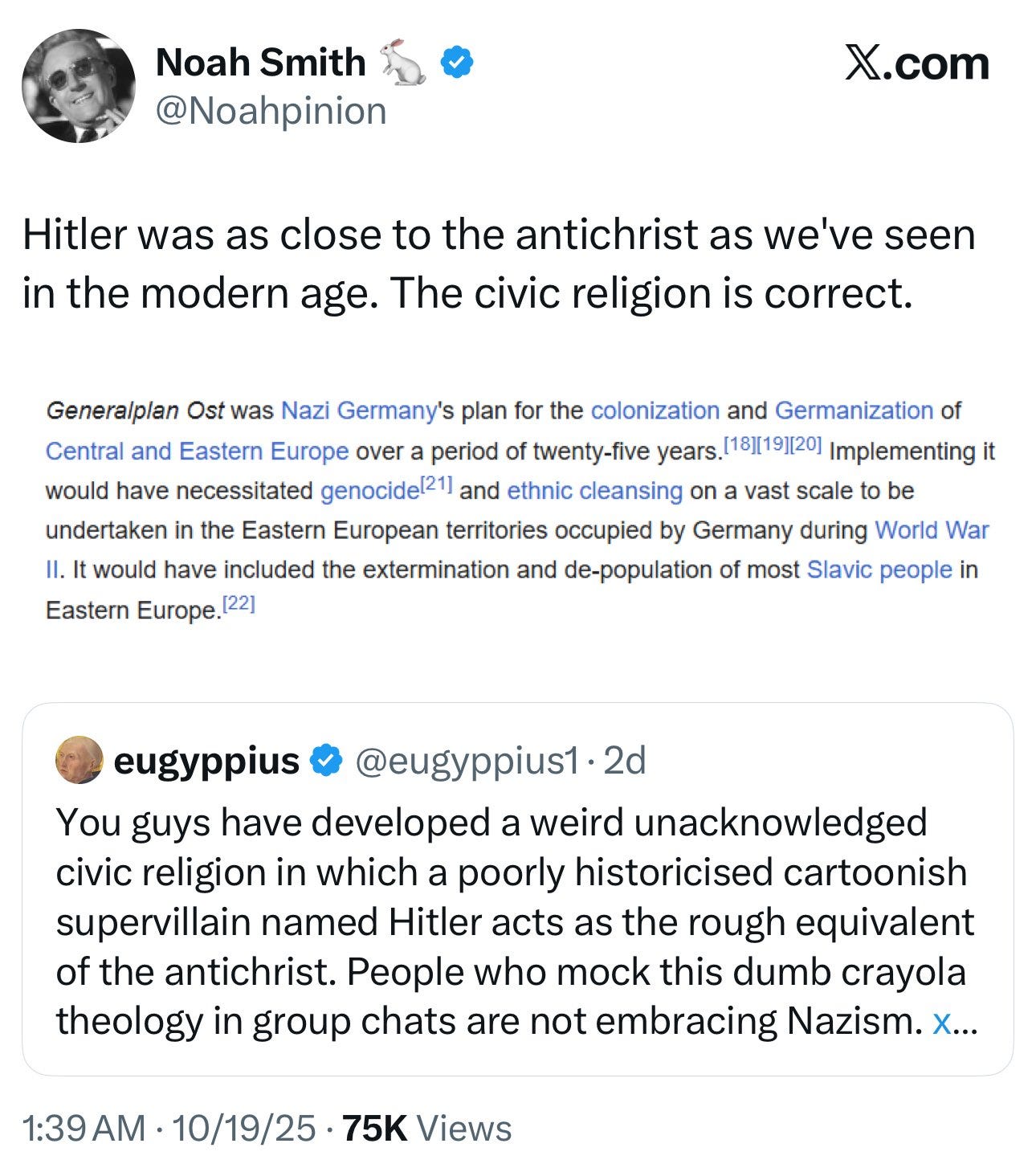
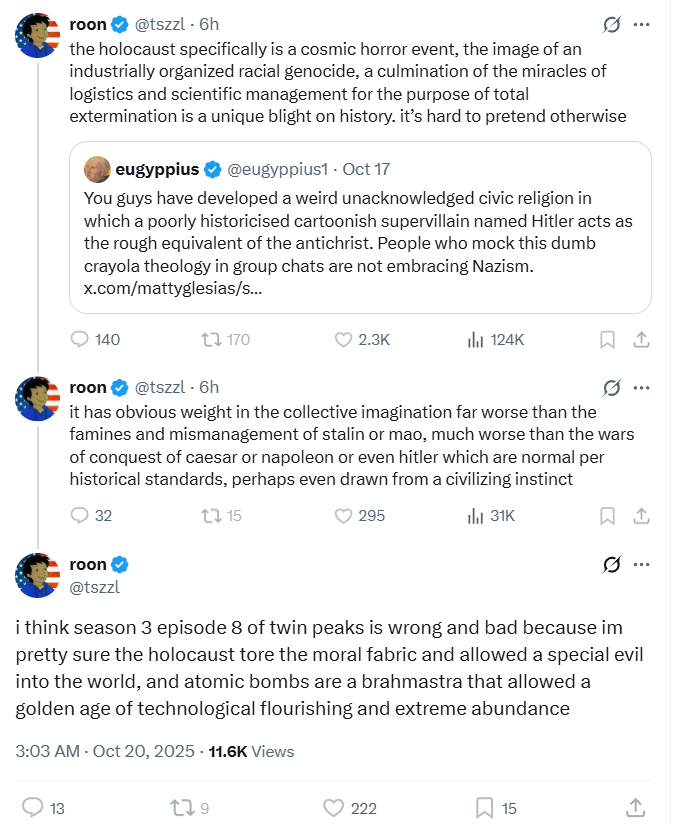
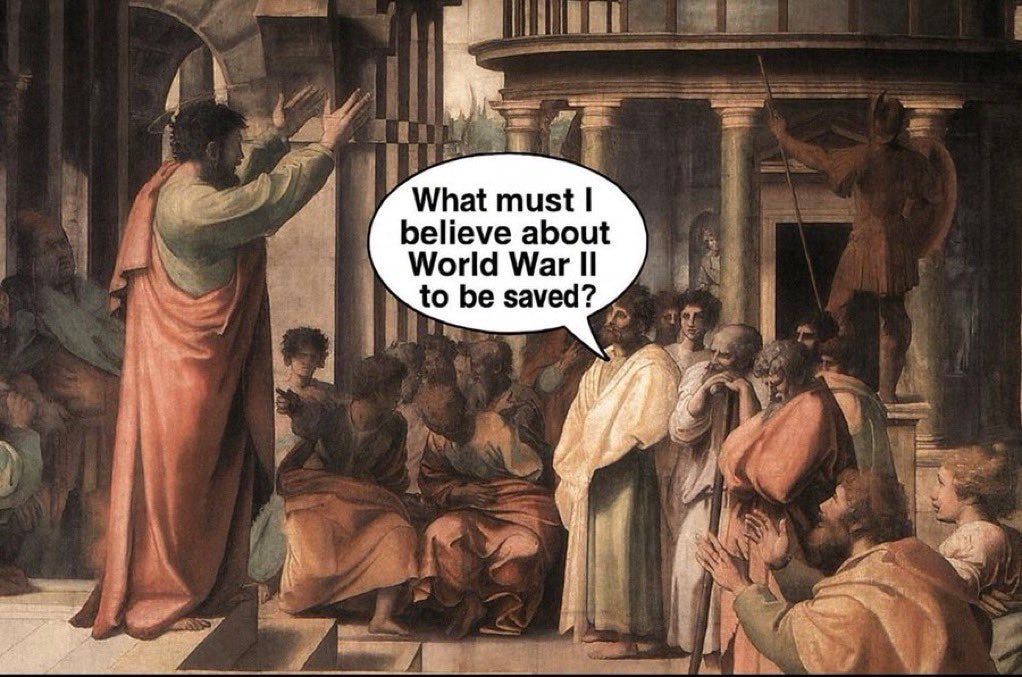
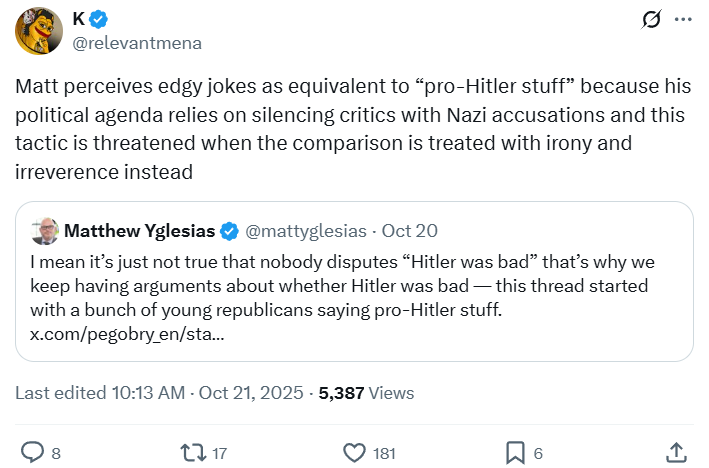
Western children are initiated into the postWW2 Boomer mythology, where Adolf Hitler is treated as the devil incarnate, the negative justification of the Global American Empire. Citizens learn a shallow, truncated history that begins somewhere around 1776: the American Revolution, the Civil War, slavery, WW1, WW2, the Holocaust, feminism and women’s rights. This curriculum is designed to be limited; it’s designed to cut off Western citizens from their heritage, traditions, and history, to prevent adults from developing a pragmatic view of world history as an amoral series of struggles, intrigues, and periodic lapses of harmony. Hysterical moralism is cultivated, rather than pragmatic realpolitik.
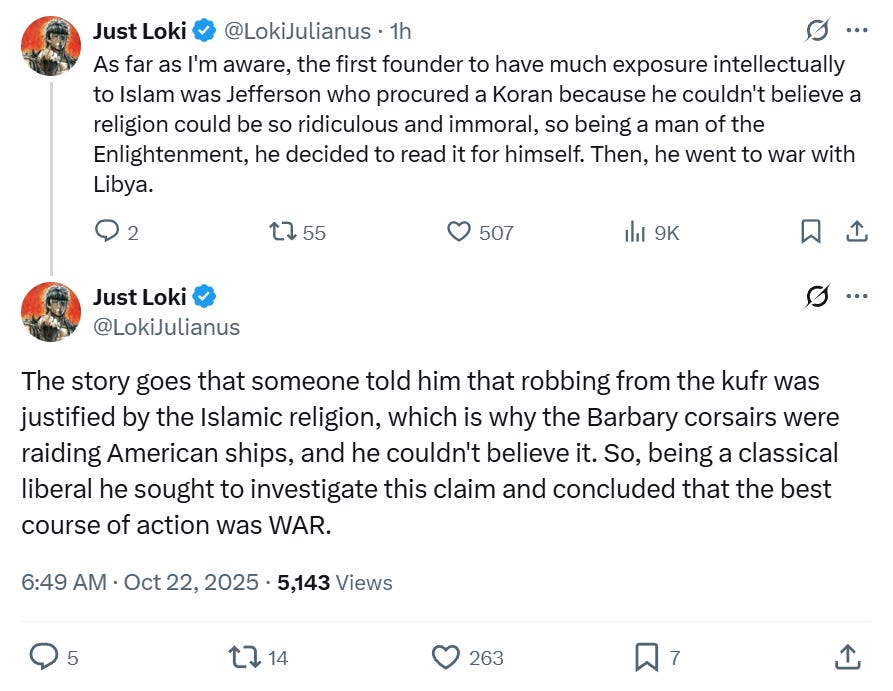
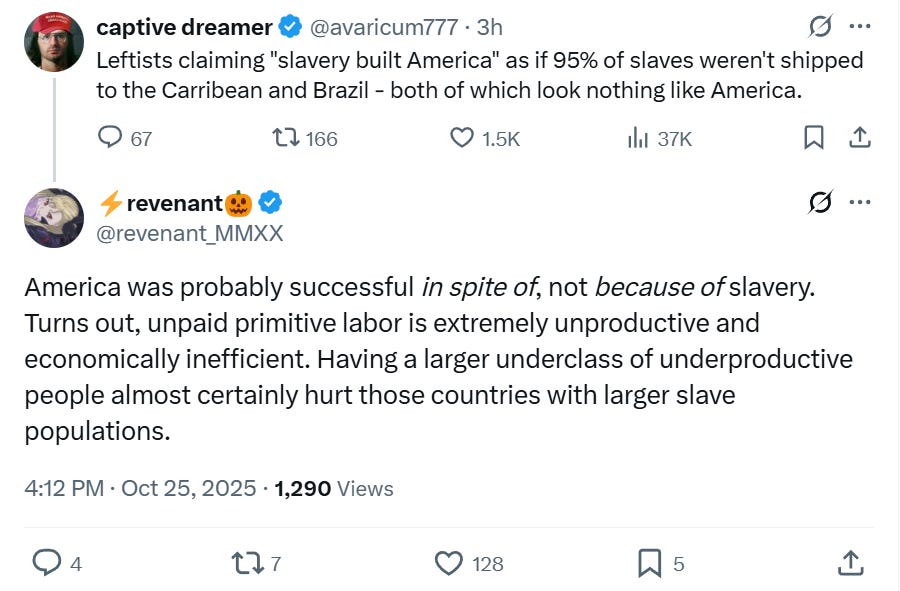
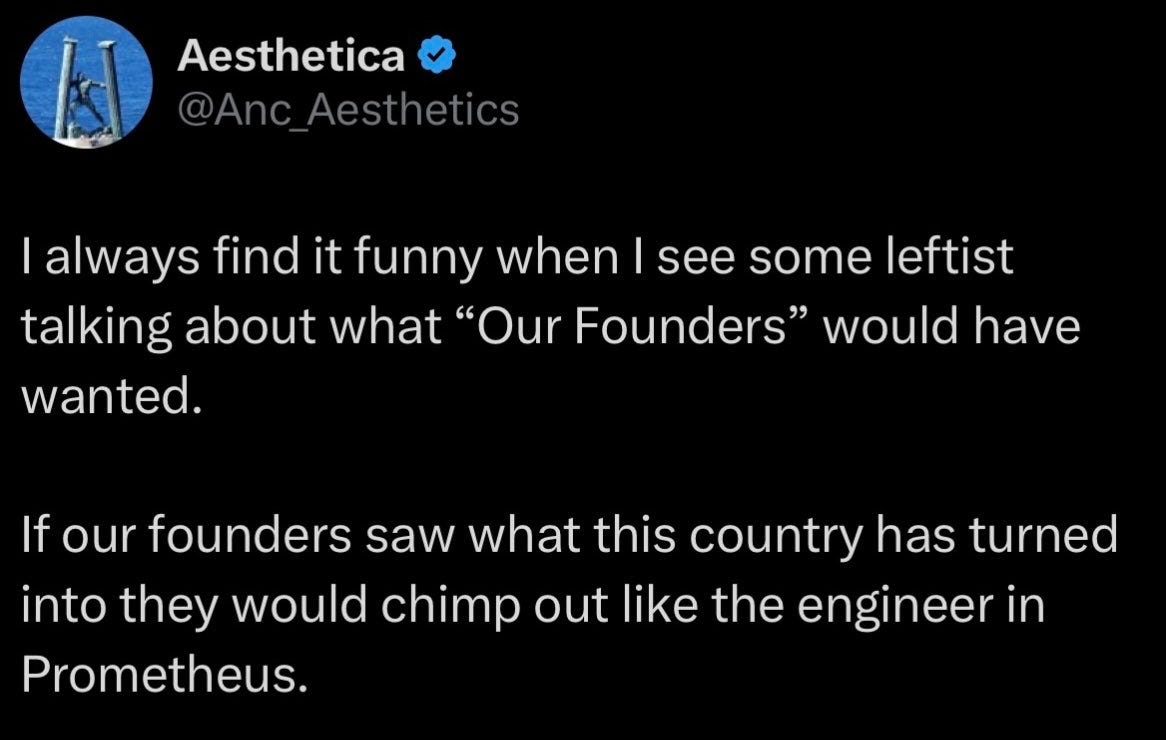
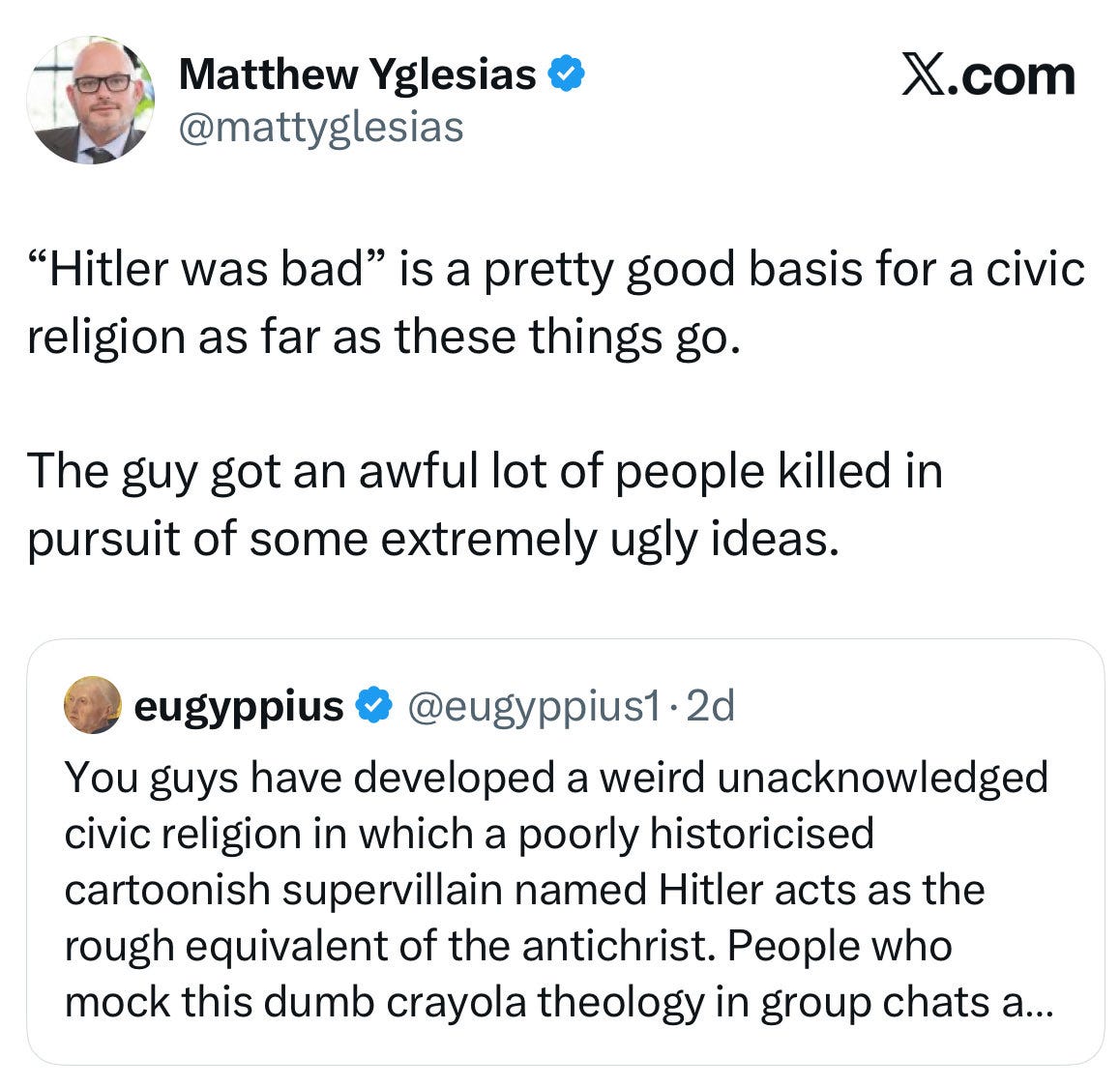





A few months ago, I went through a list of the top action movies since 1900 — obviously, cinema was barely developed around those years, and it wasn’t until the 1920s and 1930s that action movies with prolonged, choreographed fight sequences began to emerge as a recognizable medium. I was searching for patterns, trying to figure out what makes for a fun story, and the method I settled upon was to pick out three top-grossing, or culturally impactful movies from each year of each decade for the past 120 years. This is a crude method, and the results are more gut instinct than anything scientific. It didn’t produce the results I was aiming for. But my biggest, most surprising, and entirely accidental discovery was to realize that virtually all of the top action movies from the 1920s, 1930s, 1940s, 1950s, and 1960s (the period when America was richest, strongest, a world leader in manufacturing, masculine, religious, and technologically innovative) were historical epics.
In those years, American films were proud of America’s origins, and the history of Western civilization.
Sword-and-sandals epics were quite dominant.
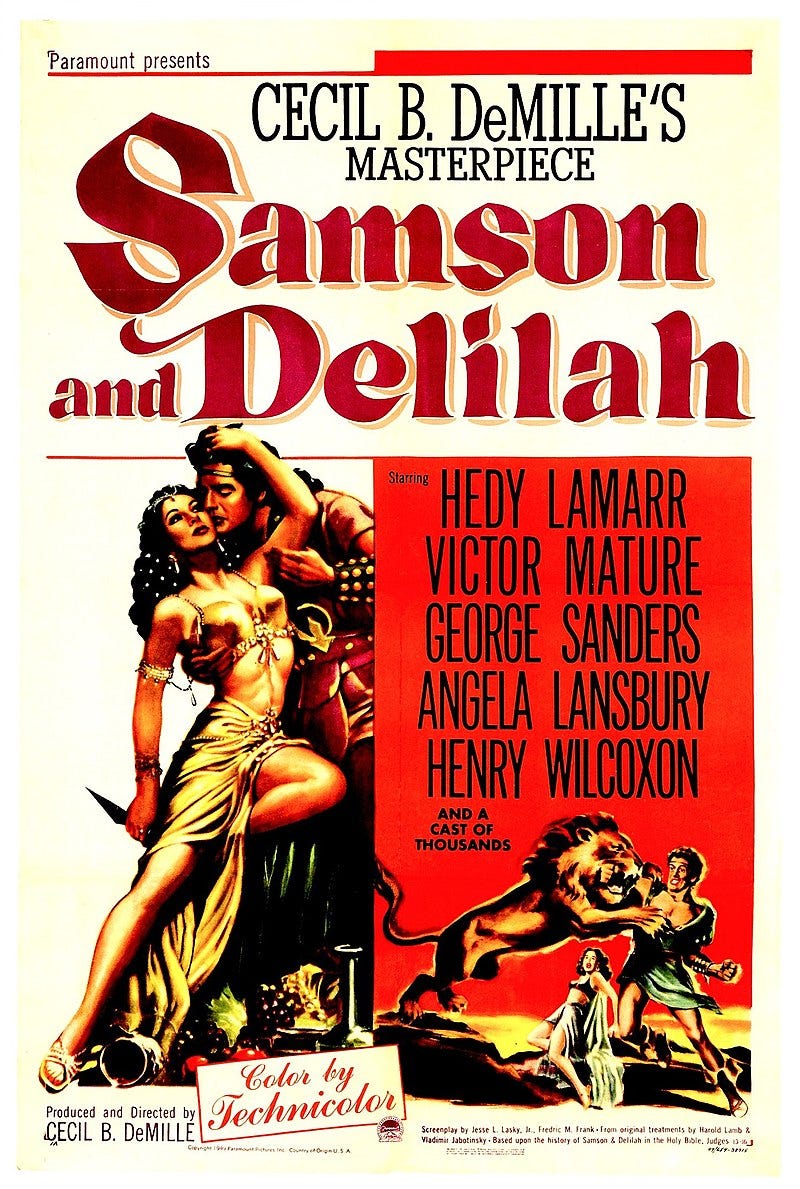
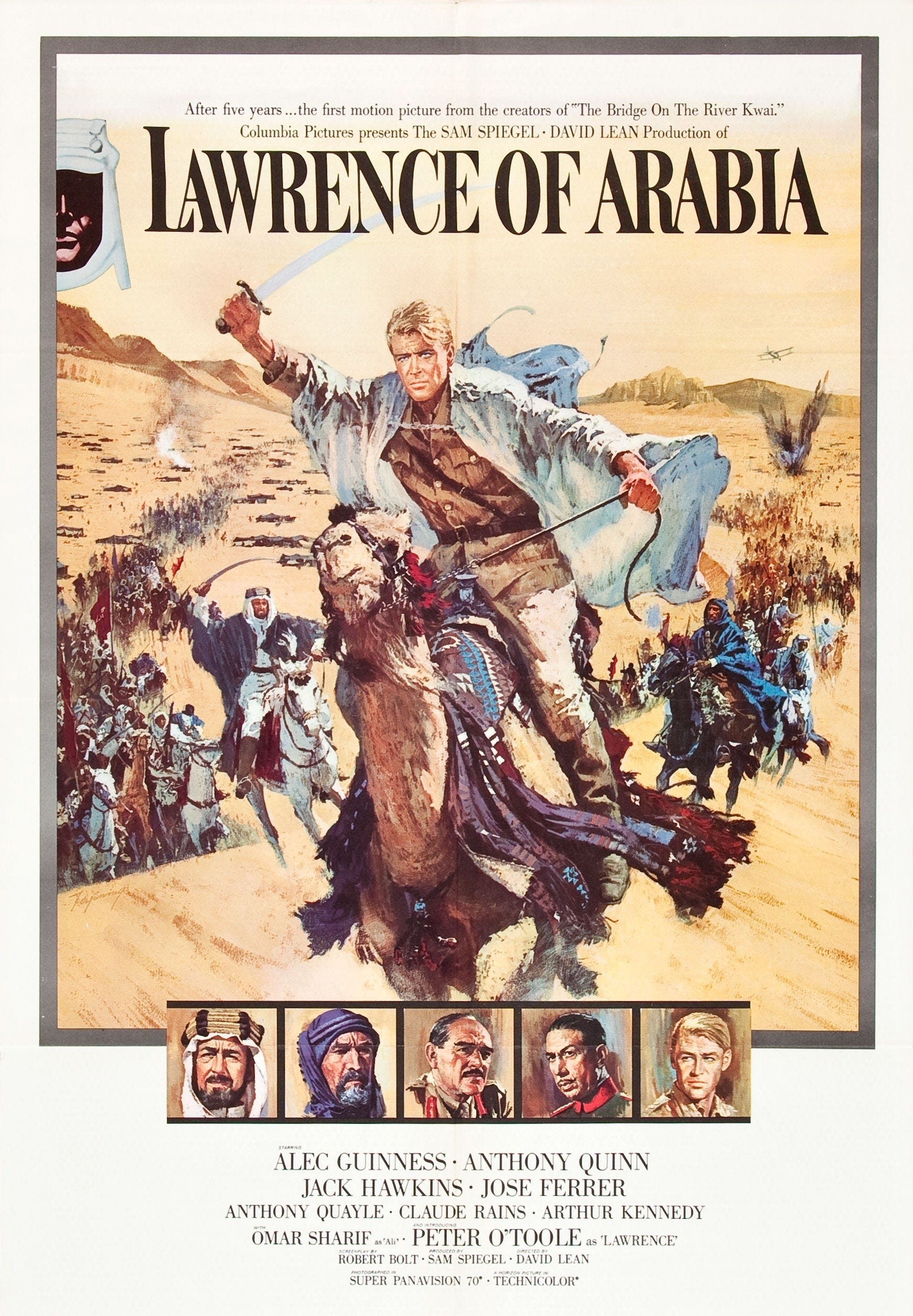
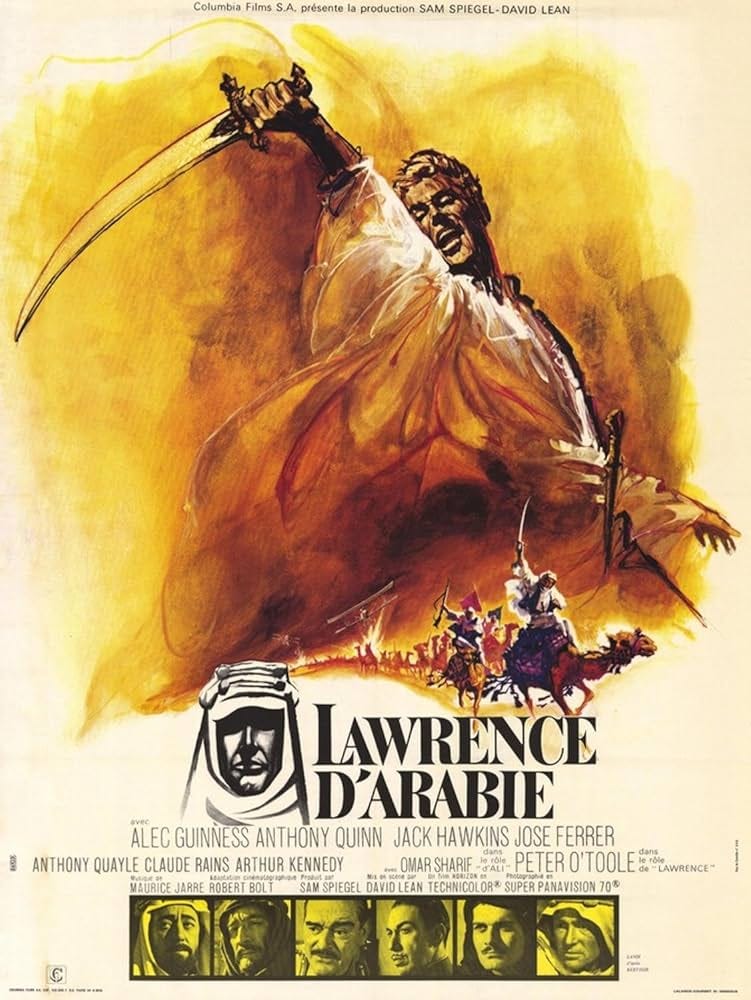
A cursory review of many of the top action movies from the 1920s, 1930s, 1940s, 1950s, and 1960s illuminates a striking cultural shift. Almost every popular film of that era was some kind of historical period piece, either based on a true story or designed around inserting fictional characters into a dramatized historical period:
1920s: The Mark of Zorro (1920), Robin Hood (1922), The Hunchback of Notre Dame (1923), Napoleon (1927), Wings (1927), The Last Command (1928).
1930s: All Quiet on the Western Front (1930), Hell’s Angels (1930), The Big Trail (1930), The Public Enemy (1931), Mutiny on the Bounty (1935), Charge of the Light Brigade (1936), The Prisoner of Zenda (1937), The Adventures of Robin Hood (1938), Test Pilot (1938), Gunga Din (1939), Stagecoach (1939), Gone with the Wind (1939).
1940s: The Grapes of Wrath (1940), Sergeant York (1941), Bataan (1943), Casablanca (1943), For Whom the Bell Tolls (1943), Sahara (1943), Objective, Burma! (1945), The Best Years of Our Lives (1946), Black Narcissus (1947), The Treasure of the Sierra Madre (1948), Samson and Delilah (1949).
1950s: Quo Vadis (1951), East of Eden (1955), The Ten Commandments (1956), The Bridge on the River Kwai (1957), Gunfight at the O.K. Corral (1957), Ben-Hur (1959).
1960s: Spartacus (1960), The Guns of Navarone (1961), Lawrence of Arabia (1962), Mutiny on the Bounty (1962), The Great Escape (1963), 55 Days at Peking (1963), Becket (1964), Doctor Zhivago (1965), The Dirty Dozen (1967), Butch Cassidy and the Sundance Kid (1969).
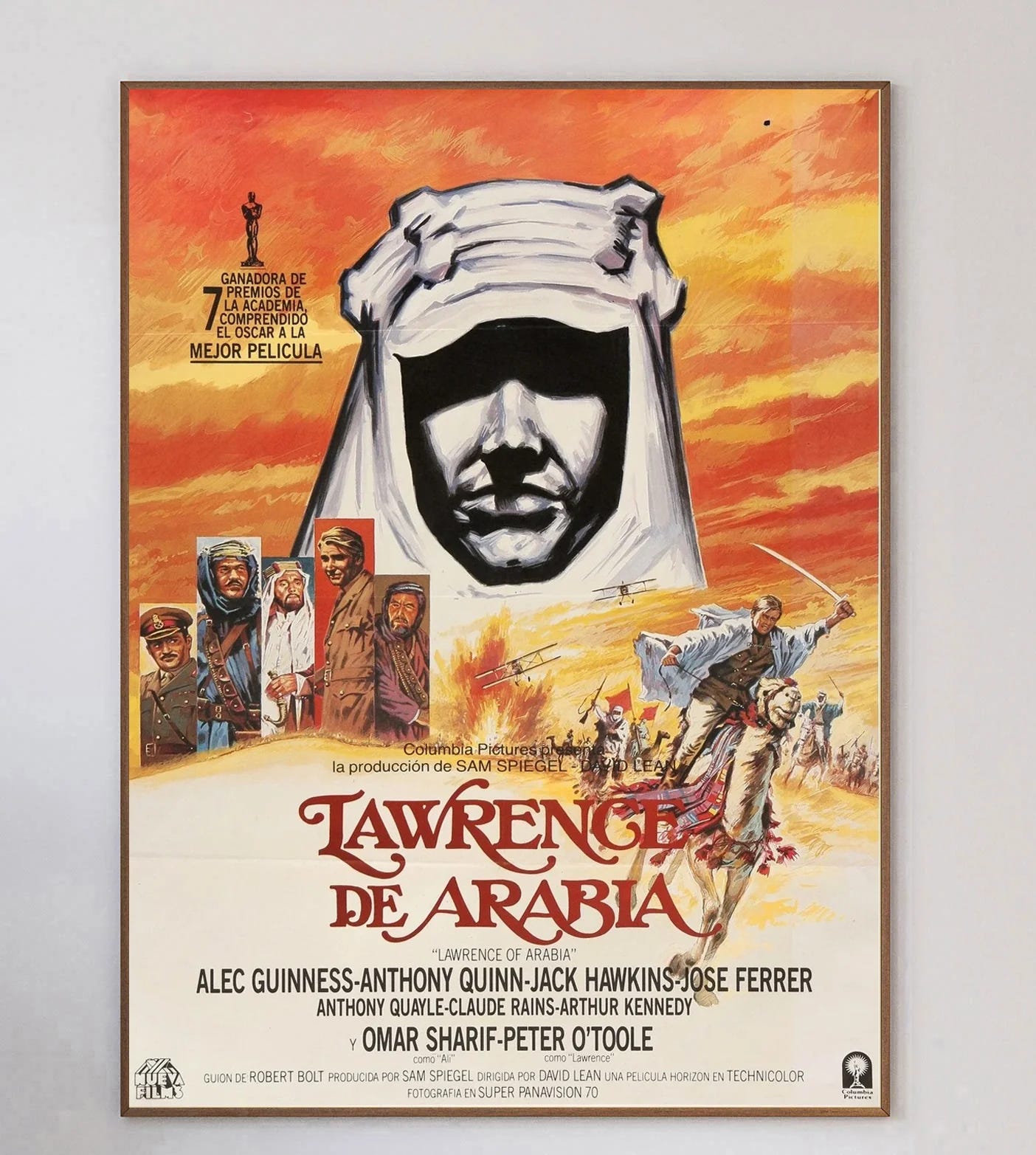
Many of these stories were fictionalized, or dramatized with a heroic aesthetic sensibility which distorted the original events. But the subject matter cast a hero in the foreground of a historical period, where major historical events unfolded in the background.
Audiences were passively educated in the process of enjoying a fun story.
Video games such as Age of Empires (I–IV), Hearts of Iron (I–IV), Crusader Kings (I-III), Victoria (I-III), Sid Meier’s Gettysburg!, and the Total War series (e.g., Rome II, Medieval II, Shogun II, Three Kingdoms) perform the same function. They deliver a thrilling interactive game, set in a historical sandbox, which teaches the player about history in the middle of managing a nation’s economy, building castles, plotting intrigues, and invading rival kingdoms.
Something has obviously changed.
The conventional wisdom in Hollywood today is that historical period pieces are dead on arrival, because the costumes, sets, and locations cost a baseline increase of an additional $10 million per movie.
Like so much else, I think this is nonsense.
A seemingly-reasonable misdirection, evasion, and deception. Money is used as an objection, to indirectly attack any memory of Western culture and history, as a pretext for pushing the subversive, ahistorical ideology of Gay Race Communism.
For the same reason that black actresses are cast as queens in Medieval Britain, and black actors are cast as Vikings in feudal Denmark, and historical films (such as Ridley Scott’s Napoleon (2023), or Timothee Chalamet’s The King (2019), among many other films) are rendered in dull, monotonous greyscale rather than the historically-accurate bright colors of the era, the past history of Western culture has been obscured, oversimplified, Flanderized, parodied, distorted, defamed, and defaced for ideological reasons related to the postWW2 Boomer mythology.
The easiest way to sell the delusions of modern progressivism — the Whig history mythos that humanity is progressing and developing through technology into a more enlightened, compassionate species — is to lie about the past. At every available opportunity, the accomplishments of European history are downplayed, diminished, and reinterpreted.
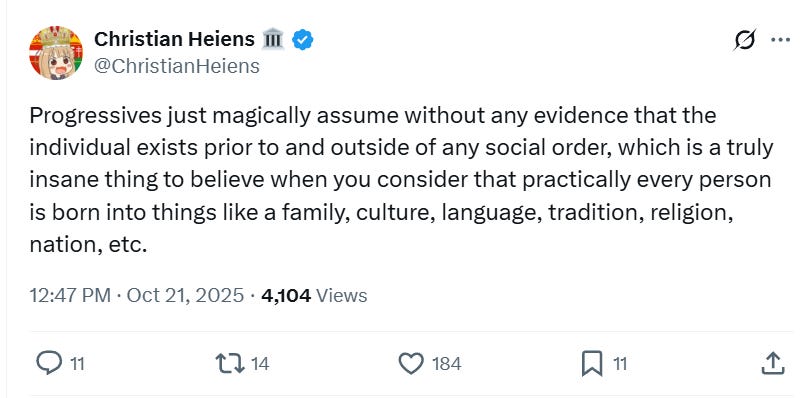
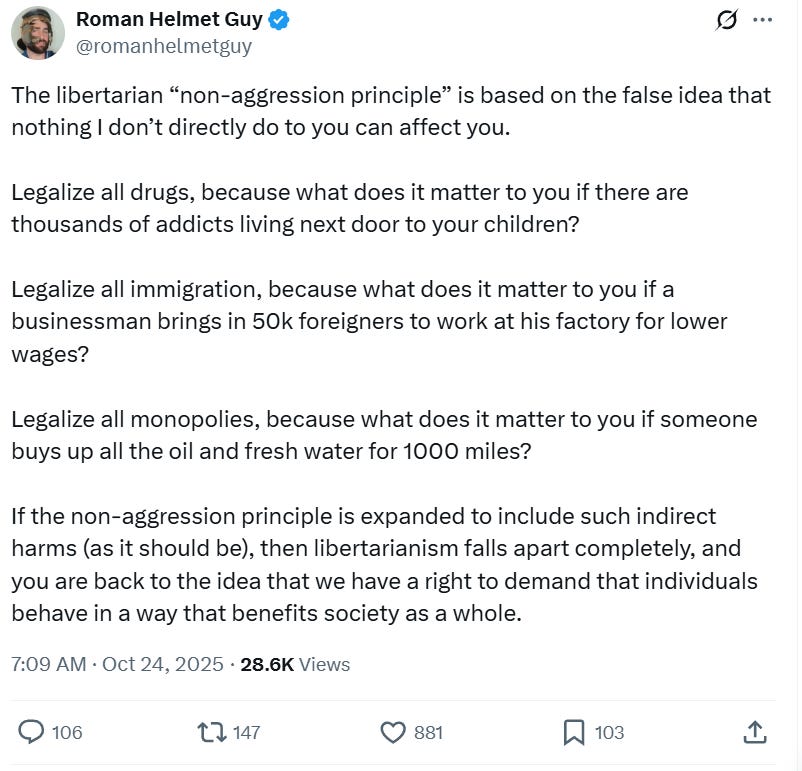
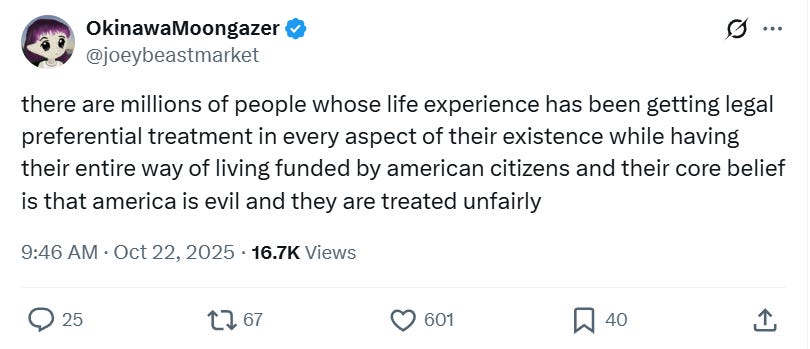
Most of the real differences of the modern world are downstream of improvements in sanitation infrastructure, mechanization, and chemical fertilizer. People live 40 years longer because they learned how to wash their hands, use toilets, and purify drinkable water. Germs are killed, and infant mortality rates have plummeted. Dangerous jobs are now performed by machines, instead of slaves suffering industrial accidents. Famines, droughts, and mass starvation are less common because of massive increases in the productivity of farms, resulting in gigantic multiplication of historical crop yields.
Even fifty and sixty years ago, a huge amount of television and cinema entertainment was composed of historical period pieces.
Sometime around the 1970s, all of this started to change.
Star Wars: A New Hope (1977) is a good demarcation line for the beginning of the modern era of Gay Race Communist agitprop. Increasingly, after the 1970s, America shifted away from Westerns, historical epics, and Christian allegories — towards fantasy, science fiction, and superhero movies.
What happened was a drift away from reality, or any reference point to the real world.
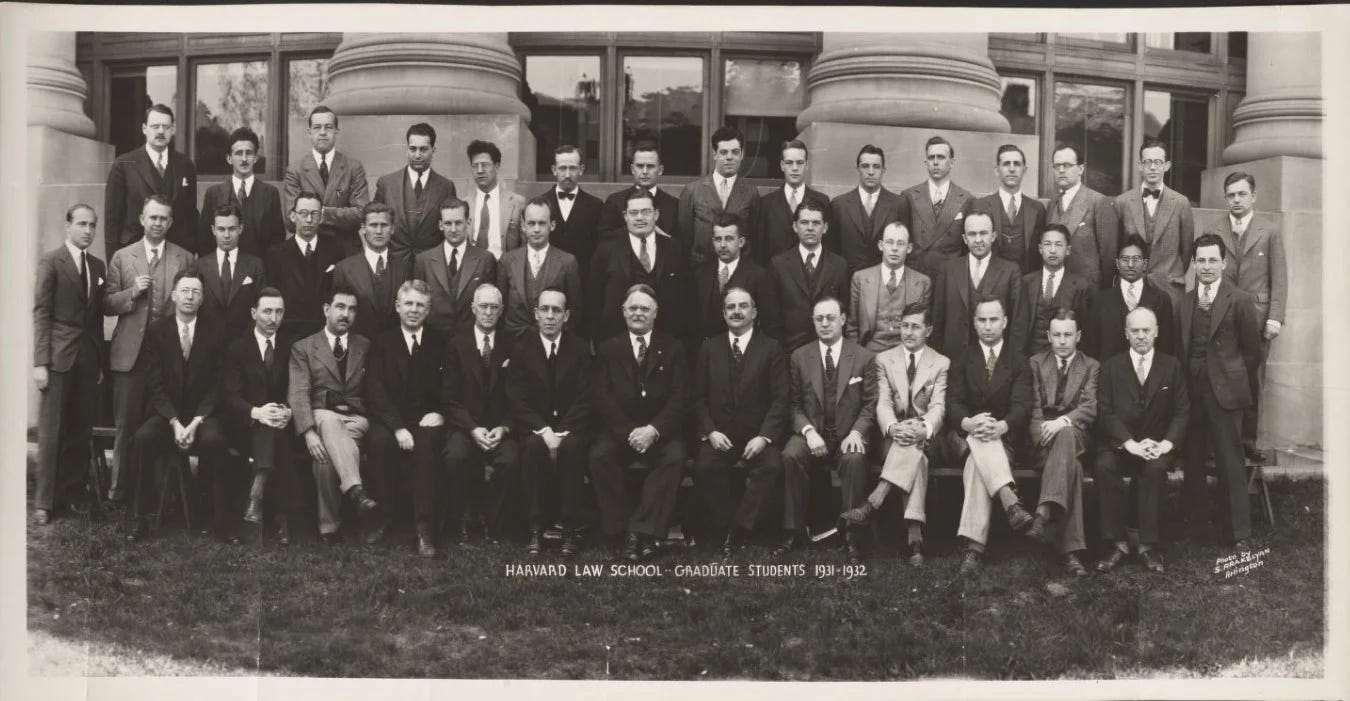
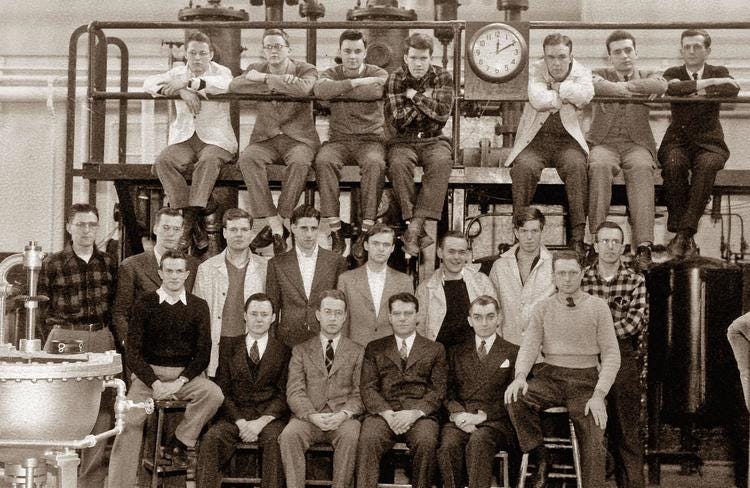
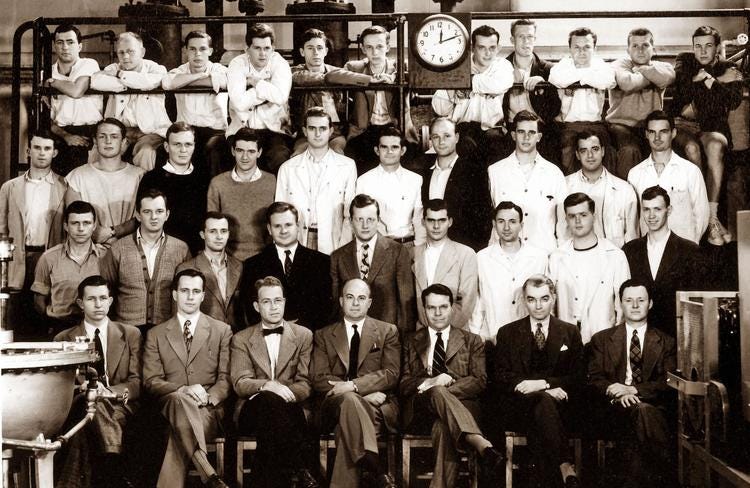
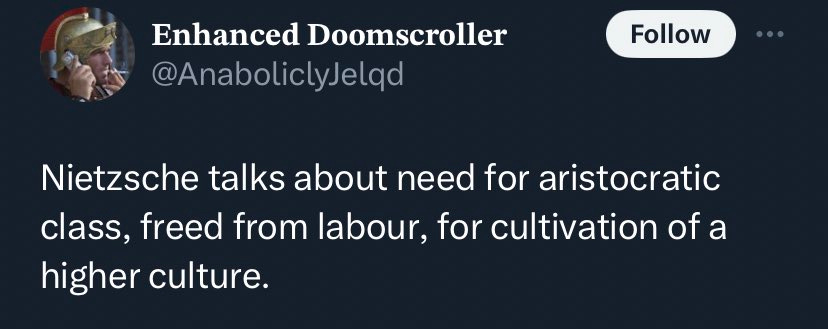
There was a time when every educated man at Harvard, Yale, and Princeton was expected to be able to read and write Latin, Greek, and Hebrew. Scions of prominent families were familiar with the works of Shakespeare, Milton, and Montesquieu. Classical aristocratic culture fostered an appreciation for, and a casual familiarity with, the symphonies, operas, and melodies of Vivaldi, Bach, Handel, Haydn, Mozart, Beethoven, Schubert, Mendelssohn, Chopin, Wagner, Debussy, Stravinsky, and Dvorak.
Men were able to communicate among themselves with a cultural shorthand, based on a shared worldview and tradition, cultivated and curated throughout many centuries of aspiration and iteration, designed to orient men towards the highest ideals, aspirations, and artwork of the past two thousand years of European thought.
All of that is dead and gone, today.


EXIT podcast, “Lomez on Rebuilding Culture in the Wasteland”, March 4th, 2025:
Lomez: “We’re trying to tell the truth. Let me start with another premise here. My other premise is that most of us young men, like millennial-age men, maybe a little even older than that, are walking around with a kind of bombed-out mental landscape. Imagine the interior world that you live in, the sort of mental wallpaper that we walk around in. Imagine it’s a room, and just look around the room you’re in, the things that are on the walls, and the books on your shelves.
And I see Kevin’s American flag and the exit flag.
All of this stuff that you sort of have on your wall, even when you’re not aware of it, is shaping how you think about the world and it’s shaping the choices you make. And what a culture does, a good culture, a healthy culture, is it provides that kind of interiority, that interior landscape that even when we’re not thinking consciously about it, is directing us in a positive direction.
And so all we’re trying to do right now, it’s actually a modest set of goals, is just sort of redecorate these walls that have been completely graffitied and abused by the left over the last few decades. And it might just start with putting a new coat of white paint and then we start from there.
So that’s my other premise.
The premise is that the mental wallpaper, the mental landscape, the imaginative creative landscape that most of us are walking around with right now, is a kind of post-apocalyptic landscape. And it’s going to require us kind of rebuilding from scratch.
…
What I mean by the term post-apocalyptic is not in the literal sense, meaning that it’s violent or suggests a kind of cataclysm. Instead, what I mean is that for centuries and in the West, and if you were like an educated guy, you would have over the course of your education and reading created a sort of set of symbols and narratives and ideas that reach all the way back to the very beginnings of the Western Canon. All of us would be walking around with this sort of shared understanding; these shared narratives; these shared symbols that we wouldn’t even need to articulate.
Unspoken subtextual stuff.
And one of the projects of the left since the 1960s — but I think it really went into overdrive in the last two decades — is to completely annihilate and sever that coherence with that past generation.
…
Our great grandfathers would have read, had they had the same level of education as us — like you go back and you read the curriculum from, you know, West Point and the mid 1800s. Okay, the stuff that these guys were reading. It makes me feel embarrassed. Like I’m an idiot. I know nothing in comparison to them.
Right now, I’m editing a book by this great writer named Paul Gottfried, a right-wing intellectual. Here’s a guy who spoke five different languages, studied the classics, is an Aryan expert in eight different distinct domains of history and political philosophy. And I’m like looking around at, you know, fellow millennials, even the really well-read guys like on the right, you know, Kevin and I’s friends that we hang out with in the DM chats.
I’m like, we’re all retards.
Like, we know nothing when we compare ourselves to these guys. It’s like pathetic. It’s sad. And, you know, there’s fault to go around. But I think there has been an intentional kind of destruction, or decoherence.
…
We are in this position where things are so kind of dire and bleak and the absence of this healthy expression of culture is itself so loud and so conspicuous that we are forced to address it. So we’re addressing the void, in some sense. We’re addressing the lack of the thing.”
—EXIT podcast, “Lomez on Rebuilding Culture in the Wasteland”, March 4th, 2025
Lomez on rebuilding culture in the wasteland


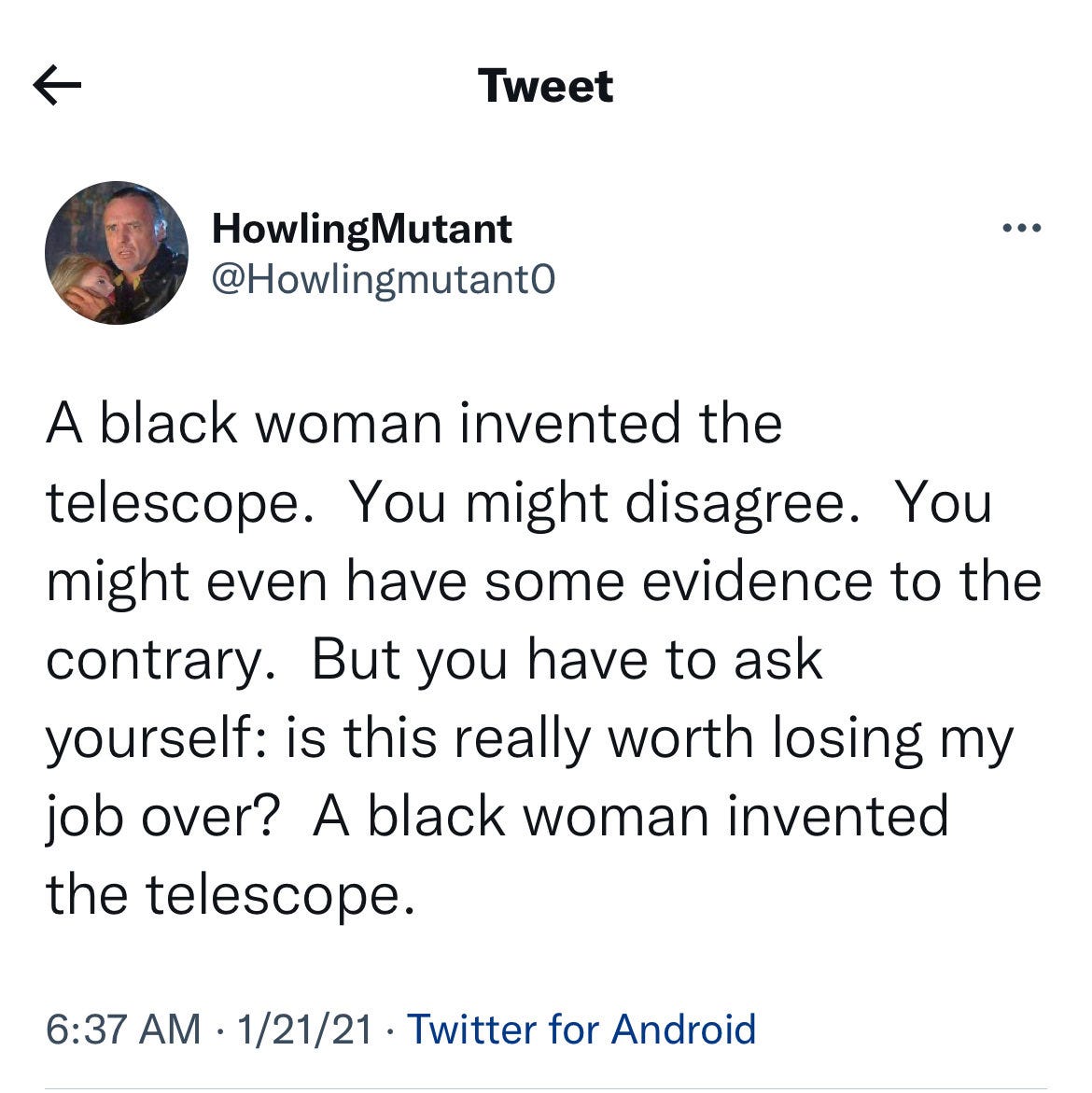
The reality of modern culture we are dealing with is that Leftism has razed the foundations of Western culture and severed the nations of their historical origins, then demoralized the survivors into a state of learned helplessness, to the point where American, British, European, Canadian, and Australian Normies are unable, or too scared, to answer what makes someone American, or British, or Swedish, or German.
People can’t explain the difference between a foreigner, and an American.
People can’t explain why it’s wrong to accuse them of the inherited sins of racism, colonialism, genocide, and occupying stolen land.



The purposeful annihilation and obliteration of identity, culture, and history has split the population into psychological types based on innate temperament — Libtards, Marxists, strivers, Normies, Chuds, frogs, and their various subsets.
The frustration of being an autodidact is that the default options are either a public official Narrative that is an obvious tapestry of curated deceptions aimed at linguistic conquest… or pure ignorance. It’s difficult to gain insight into anything, without granular, time-consuming research. Many people walk around with immature, half-baked worldviews because it’s so difficult to reconstruct truth from the atomic particles that have been scattered and fragmented by a decades-long campaign of reeducation, indoctrination, oversocialization, repression, and demoralization.
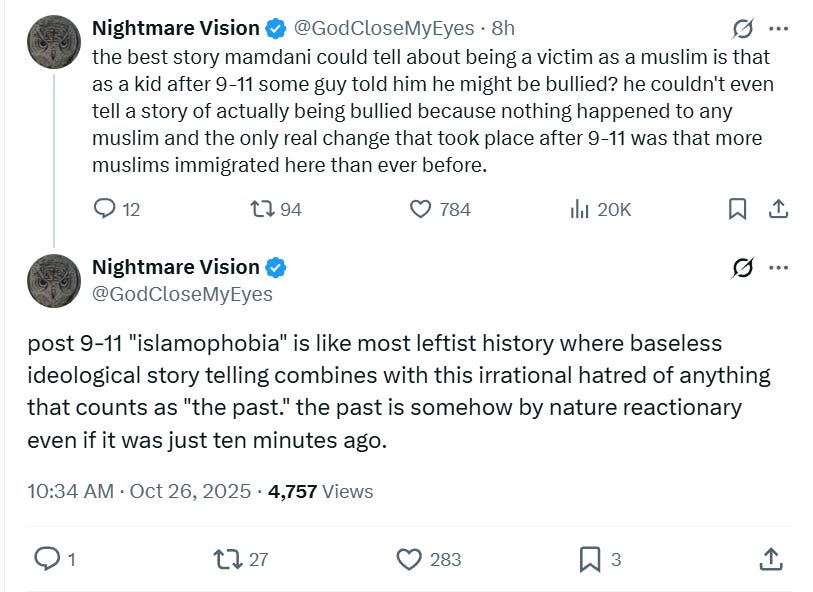
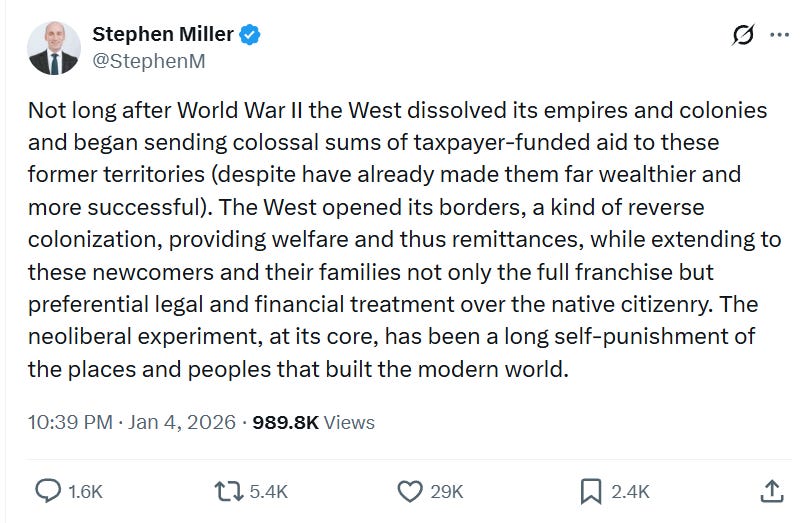
Solionath, October 25th, 2025:
“Leftists say that, “The number one reason why America never learns from its history is because America never teaches its real history.”
None of the liberals who say this know anything about the school curriculum in America. But funnily enough, they’re correct: the “history” taught in American schools is a gross perversion of America’s past, designed to make children feel guilty if they’re White.
American children are taught EXACTLY what these liberals would want schools to teach.
American children aren’t taught about the greatness of America, or the Founding Fathers. They learn that America is nothing but evil and racist.
They’re taught that Christopher Columbus was nothing but evil and racist.
They’re taught that the Founding Fathers were nothing but evil and racist.
They’re taught that they should feel guilty if they’re White.
They’re taught that they should feel bad if they’re “privileged;” that it’s “unfair privilege” if their parents are around, if their family helps them study, if their parents read to them.
They’re taught that if they’re the victim of a crime, it’s caused by “systemic racism” that they’re at fault for.
White American children are taught, every school day, for almost a decade, that they should feel guilty for slavery, for red indians dying, for mexico losing a war.
White American children are taught that all of the greatest accomplishments in American history were accomplished in spite of America’s crippling racism — that the moon landing was only possible because the dumb racist White guys were helped out by minorities, that American ingenuity and industry was a result of honest minorities’ work being stolen by dumb racist White guys.
Young White boys are even taught that they should feel guilty because women weren’t allowed to vote in the past.
Every part of the American school system is made to beat down young Whites, and especially young White men.
Every discussion of history in the average American classroom is made to make you feel guilty over something — slavery, the trail of tears, the “holocaust,” segregation, et cetera.
The American school system is EXACTLY what these liberals want it to be, and that’s why they’re losing ground.
If you take the lessons of the American school system to heart, then the only conclusions you can come to are these: to accept that you’re evil, and to stop caring, or to become mentally ill and self-hating. This is why so many young men identify as trans, and try to literally castrate themselves.”
—Solionath, October 25th, 2025




III: Rebuilding
Coddled Affluent Professional, October 26th, 2025:
“‘Progressivism’ in 2025 is a fundamentally small-c conservative institutional uniparty ideology that people are attracted to by the increasingly mistaken belief that there is something to be had (either social status or some material privilege) by being aligned with it.
They think they are ‘knowing’ by going along with it but the cynicism is transparent and obvious.
The irony of course is that libs make for terrible institutional guardians and have run a lot of these places into the ground.
The thing that above all else gives RW populism oxygen is institutional malfeasance. It’s laughable for libs to cry that, ‘All they know is pillage,’ when libs’ incompetence is very reason these institutions are so hard to defend.
The social and cultural authority of many of these elite institutions is shrinking dramatically while extra institutional power is on the rise, but these people have huge sunk costs in this sort of authority and status so they will try to maintain the fiction well past the point that it is clear to everyone else what has happened.”
—Coddled Affluent Professional, October 26th, 2025
You can only understand the Crusades, and the European era of colonialism, and Columbus sailing across the Atlantic Ocean, and the conquistadors seizing control of the Aztec Empire, and the expansionism of the British Empire, and the expansionism of America’s Manifest Destiny across the Western frontier of the North American continent, in relation to the wars that came before them. You can only understand the psychology and imperial ambitions of the European nations as part of an existential war for survival, predating the gruesome wars of Dracula.
When Spanish conquistadors slaughtered the Aztecs and brought an end to their ceremonial rituals of cannibalism, torture, dismemberment, and large-scale human sacrifices, this victory was achieved as part of the culmination of 800 years of embittered religious crusades during the Spanish Reconquista, incrementally reclaiming the Spanish peninsula from a Muslim caliphate.
Islam invaded Christian Europe, in Spain, Italy, and the Balkans, and Christian Europeans responded by winning in brutal, ruthless, decisive fashion.
The armies and armadas of Europe were hardened in response to the Umayyad Caliphate invading and conquering Spain for nearly 800 years, the Ottoman Empire invading the Balkans and Eastern Europe for numerous centuries, ferocious naval battles in the Mediterranean Sea, and all of the invasions, civil wars, and brutal, merciless struggles that unfolded along the way.
There is nothing historically unique about slavery, which today Leftists portray as America’s original sin.
But this is of course why American schools gloss over most of history before 1776, to try to portray the early European settlers as uniquely evil for winning.
The crimes of European settlers are examined, emphasized, spotlighted, and exaggerated… while the atrocities of the Iroquois, Apache, Comanche, and similar frontier barbarians have been systemically airbrushed out of history, in order to build the scaffoldings of a fragile, guilt-based narrative of evil, genocide, greed, lust, and cruelty.

Similarly, the actions of Imperial Japan during WW1 and WW2 only make sense as a response to the previous three centuries of European colonialism — China’s Century of Humiliation, Commodore Perry forcing the Tokugawa Shogunate to open Japan for trade in 1854, the destruction of the samurai caste and the upheaval of the Meiji Restoration in 1868 when the Japanese social order crumbled against the contact of America alongside the European powers.
In the book “The Great Conversation: The Substance of a Liberal Education (1952)”, academic scholars Robert Hutchins and Mortimer Adler argued that Western Culture is formed of a Great Conversation that has played out across many consecutive centuries. The West’s greatest minds, such as Homer, Sophocles, Aristophanes, Thomas Aquinas, Chaucer, Francis Bacon, Shakespeare, Rene Descartes, Blaise Pascal, Spinoza, Isaac Newton, Voltaire, and Edward Gibbon, put forward bold ideas of intense power and broad relevance. Each generation built upon the shoulders of the giants before them. Each man critiqued, learned from, and elaborated upon the insights of previous eras.
Wisdom accumulated over time.
And all of that has been buried, and discarded, and neglected, in order to promote a more shallow, emotional perspective that pushes an egalitarian, resentful, and corrosive ideological project.

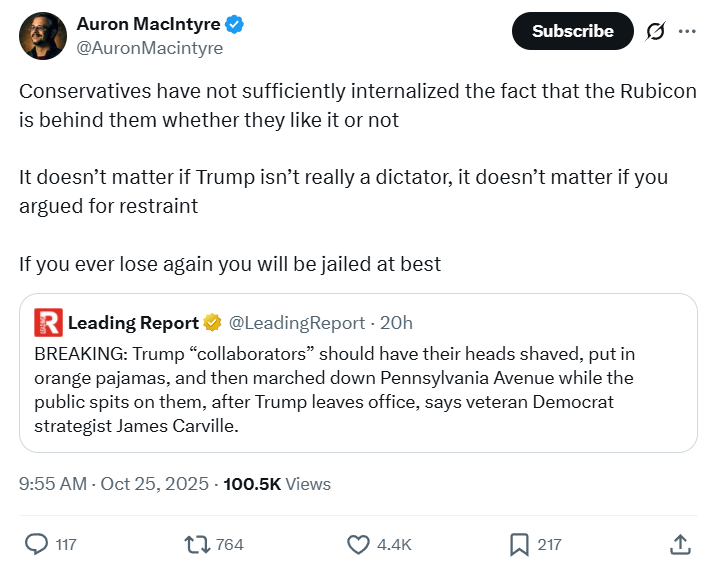

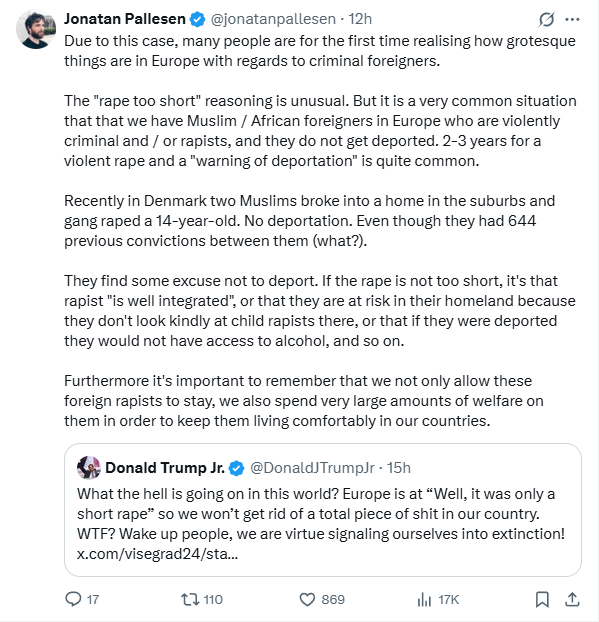
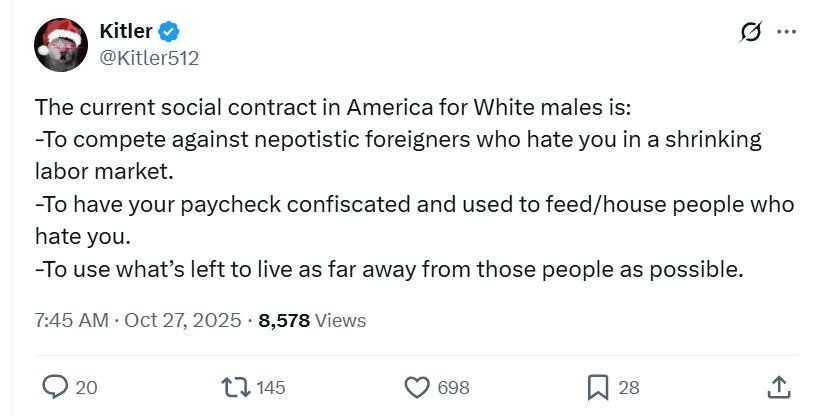
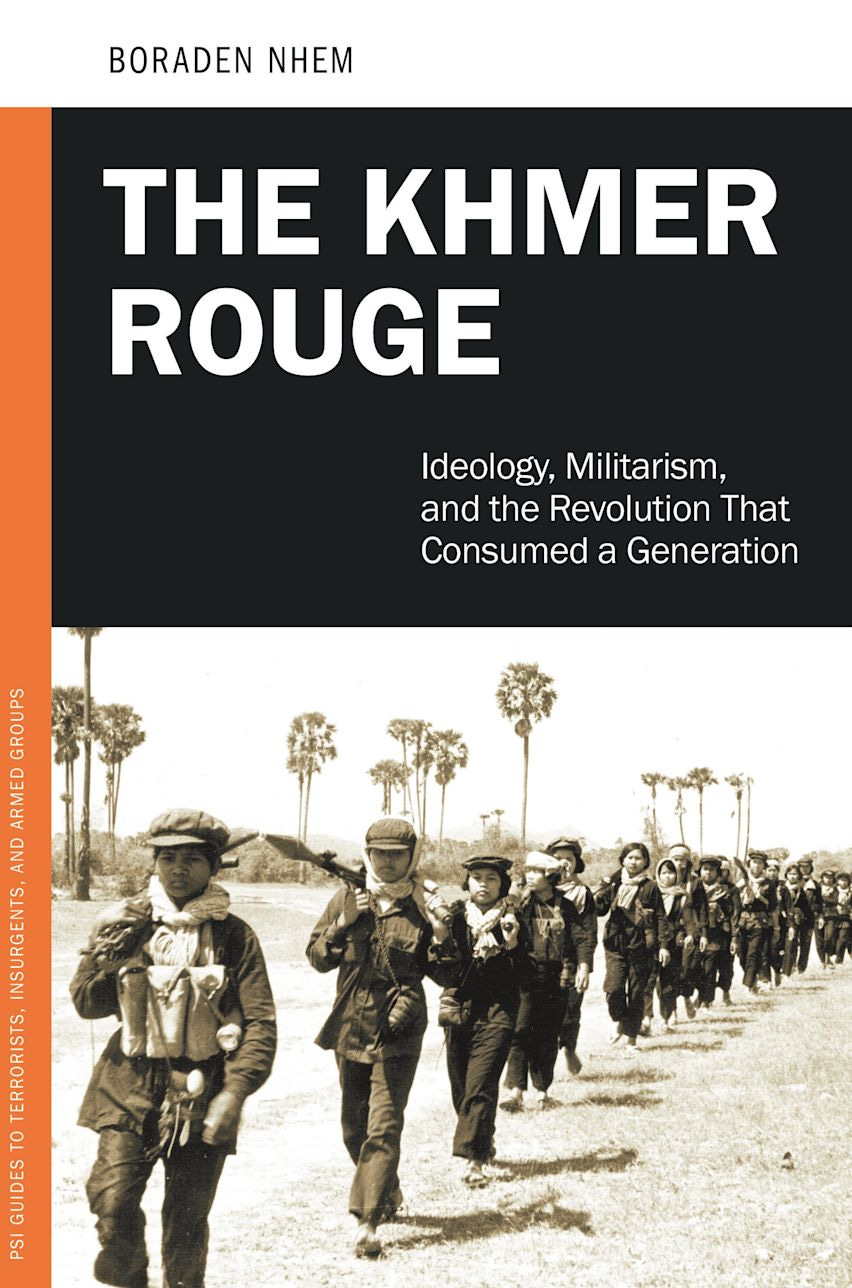
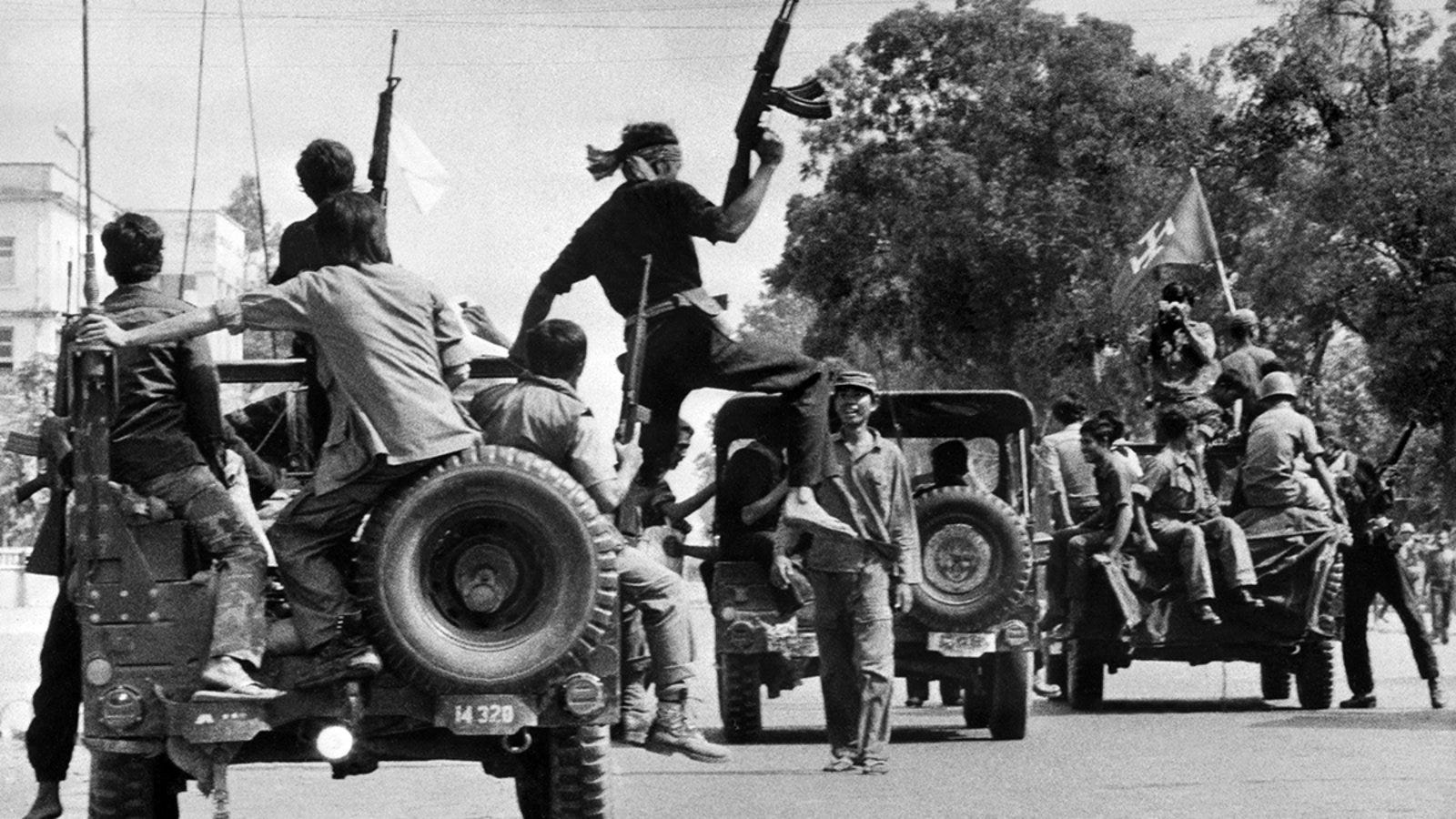
Destruction of the past has long been a core ambition of entropic, parasitic, iconoclastic political movements. The French Revolution desired to remake the calendar; the Khmer Rogue initiated a Year Zero cultural revolution to purge any trace of the past, in order to annihilate any memory of prior culture and tradition, so that a new ideology could dominate the resulting intellectual vacuum.
We have been living in a more sophisticated version of Fahrenheit 451, where books are rewritten and “updated” by sensitivity readers (political commissars under a different name), in order to obliterate the past. Every Human Resource department in America is staffed by political commissars of the American variations of Gay Race Communism; every Human Resource department in America should be defunded, outlawed, prohibited, purged… whatever it takes to get rid of this opaque, byzantine, omnipresent apparatus of cultural subversion.
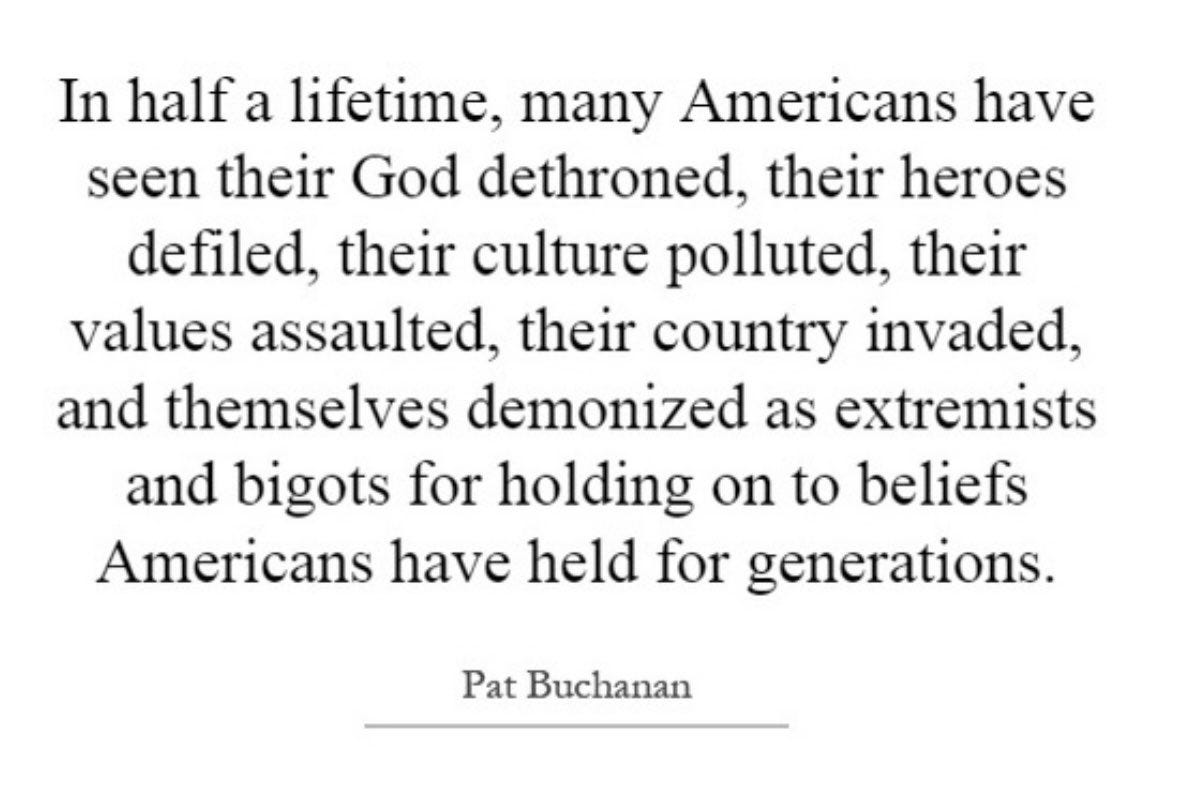
The long-term vision should be to restore standards to their previous intensity.
Just as the American military is applying physical fitness exams to force soldiers to run their miles… lift their weights… perform their pull-ups, over the next few decades we should restore intellectual and academic exams to their previous qualifications: expecting our best scholars to read Greek, Latin, and Hebrew to remain in contact with the origins of Western tradition.
Decline is a choice; we can choose differently.
We can do great things again.
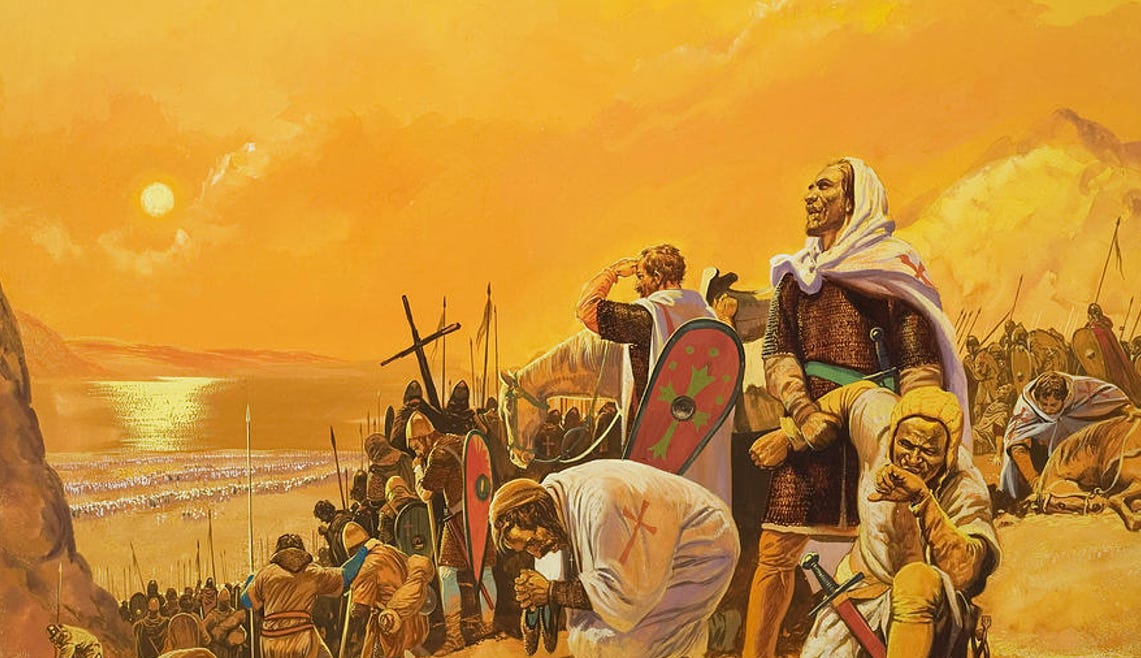
But in the short-term, our project should be to reclaim history, literature, and philosophy; to rediscover the great thinkers, artists, musicians, and academics. No more Ta-Nehisi Coates. No more Ibram X. Kendi. No more Robin DiAngelo. No more tolerance of imposters, and poseurs, and empty suits. We should be relentless and uncompromising in our pursuit of beauty, truth, and excellence on all fronts.
Most of all, we should remain confident and unapologetic.
There is great work to be done, and we are going to build.
One of the things that irked me most about pooblick edyookaishun was the lack of choice. You have to do what the school is set up to teach, you get NOTHING else. If your school has no program to teach piloting and aircraft, sorry. It's your parent's fault for taking jobs away from such a skool. If you wanted to play lacrosse instead of 'touch' football, too bad. We don't do lacrosse at this skool. If you are stuck in a school with a farming program but no art, you're luckier than most skoolz cuz you can, at the very least, learn something useful even if you'd rather study art. Whatever you wanted, the skoolz had it, but always someplace else.
Most skoolz have such weak programs as to effectively not have any programs at all.
The reasons are threefold:
One, they won't hire teachers who know real stuff. They'll hire some low-IQ woman who has a degree in nothing (a major in Edyookaishun), which they claim means she can teach anything. This simply is not the case. I am a subject matter expert in both History and in military matters; teachers often have little or no expertise in a subject; they claim they can do just fine with a few lesson plans, some pre-fab condensed notes, and no love of the subject matter. This simply does not work. Expertise is required to instruct.
Two: The skoolz also know that if they do more than give lip-service to such programs as they claim they offer, then they'll have to actually teach kids to do real stuff. Real stuff means real standards. Some kids will fail. No one can fail. Reality is to be avoided, just as Wall Street pretends the casino-market isn't rigged so they always win while the rest of us lose. The skoolz pretend they 'prepare kids for life' when all they do is waste time and resources in a great sham, a mighty grift making Somali bandits look like honest men. They must continue The Great Lie. Doing otherwise risks cognitive dissonance, and, like the market, reality crashing down on their sham will create social shockwaves and suffering.
And the last reason: helpless people need help. And who is there to lend a hand? Gubbamint. The same organization that created a skool system utterly incapbable of schooling children. Maliciously intended or not, the gubbamint does a fine job of disempowering and even psychologically disabling the children entrusted to its care.
85% of adults will not crack a book open after High School, not once for the rest of their lives. That's a marker of real resentment, in my opinion, or a marker of the success of the gubbamint schools at disabling the kids they processed.
We need to end all compulsory slave training passed off as state education. It cannot be permitted to continue to deprive children of real learning.
Excellent essay — thank you very much. Happy New Year — and Godspeed.